
Vancouver Housing Market 2025 Wrap-Up: What Buyers Need to Know Heading into 2026 - Insights From On-The-Ground Realtor Specialists

It’s been an eventful year in the Greater Vancouver real estate scene. Sales have slowed, prices have shifted, and buyers are cautiously re-entering a market that finally offers them a bit more breathing room. To help home buyers make sense of it all, we’ve gathered insights from local realtors specializing in different Metro Vancouver niches – from the North Shore to the Fraser Valley and even Vancouver Island. Their on-the-ground perspectives paint a conversational yet data-driven picture of what happened in 2025 and what to expect in 2026. We’ll start with the big-picture highlights of 2025, then break down trends, price movements, inventory levels, and buyer behaviors in key submarkets. Along the way, we’ll share direct quotes (and even a few “hot takes”) from the experts – Alex Dunbar, Keith Roy, James Robinson, Mike Doughty, and Chris Car – to bring these market stories to life.
2025 Market Highlights
Mortgage Interest Rate Summary and Preview
In 2025, our team observed a shift in how and where people bought. Compared to 2024, many more affluent folks made their move into the market and took advantage of the new insured mortgage rules of having a down payment well below 20% for properties priced below $1.5 million. A large portion of them were Canadians living and working south of the border, taking advantage of the currency exchange rate and hedging their bets with the instability of the United States. 2024 was a year we observed more people buying in secondary markets whereas this year, most of our transactions were back in the major urban centers.
Canada’s mortgage landscape is entering a critical phase. Over 750,000 mortgages are coming up for renewal in the last six months of 2025, with an additional 1.15 million scheduled for 2026 and 940,000 more in 2027. Many of these homeowners initially locked in at record-low rates. For example, the average 5-year fixed uninsured mortgage rate in July 2020 was just 2.36%, compared to 3.95% in July 2025 — a 67% increase in carrying cost for those renewing into current rates.
The good news? After hitting multi-decade highs, rates have eased by about 1.00% over the course of 2025, offering modest relief. Rate cuts may continue into 2026 if inflation trends remain favourable but as Scotia Bank predicts, they may even go up if the labour market remains resilient.
Despite this easing, some households are feeling the strain. In Q2 2025, Ontario saw a 44% year-over-year spike in mortgage delinquencies, though the actual rate remains low at 0.23% — close to the national average of 0.22%. Toronto mirrored the trend at 0.24%, suggesting growing but still manageable stress levels in major markets.
With a surge of renewals on the horizon, 2026 will be a critical year for rate-watchers, as even small shifts in borrowing costs could have outsized effects on budgets and market activity.
Sales Slump Across the Board: Almost every area saw a significant drop in sales volumes in 2025. In the northeast suburbs, for example, detached house sales fell nearly 46% below the 10-year average in the first half of the year. One realtor noted a “shocking… 60% decline” in the number of acreage property sales compared to typical levels. Fewer buyers meant many listings sat longer.
Prices Under Pressure (Especially Condos): With buyers on the sidelines, prices softened, notably in the condo segment. In fact, Vancouver condo prices have essentially rolled back to 2018 levels, according to veteran realtor Keith Roy. “I can point to specific properties… listed right now for the exact same price that someone paid for them in 2018,” Roy says. He estimates some downtown condos are down 20% from their peak a couple years ago.
Buyers’ Market Conditions: As sales slowed, inventory built up in many areas, tilting the market in buyers’ favor. “The numbers of sales have fallen off… and inventory has increased. Of course, that puts downward pressure on prices. It’s fantastic if you’re a buyer – it’s incredible the options they had and the negotiating power,” observes James Robinson, an agent in Maple Ridge. Well-priced listings started to attract attention, but sellers had to be realistic. Deeply discounted “deals” popped up in certain cases (mainly new development units), while resale sellers who clung to 2022 price expectations often had to adjust prices downward after weeks on market.
Developers Getting Aggressive: 2025 will be remembered as the year developers and builders got creative to spur sales. In Surrey’s condo sector, several new projects struggled to sell out. One project even held a “massive… blowout sale” with 25% off prices – and still couldn’t sell enough units to stay viable. “They did sell quite a bit of product, and even that wasn’t enough to keep them above water,” says Dunbar, noting that project ultimately converted to a rental building amid the glut of condo inventory. Such steep developer discounts were a new phenomenon and signaled just how much the market had swung in buyers’ favor, at least in specific oversupplied niches.
First-Timers (Finally) Find Openings: Perhaps the silver lining of 2025’s cooldown is that entry-level buyers are stepping back into the market. Dunbar reports an uptick in average-income first-time buyers who had been priced out:
“People with more average income jobs are actually getting into the market because it’s starting to make sense – prices are coming down. For a long time, it was impossible to find an end unit, side-by-side garage townhome over 1,600 square feet selling for under $900,000 in this market. But now we're starting to see some of those larger, slightly older townhomes, around 10-15 years old and almost 2,000 square feet, selling in the $800,000 range, which is a significant discount from even just a year ago." - Alex Dunbar
With less competition and slightly lower prices, 2025 enabled many young families and professionals to purchase their first home (often a condo or townhome in the suburbs) after years on the sidelines.
Looking ahead to 2026, the consensus is cautious optimism. Interest rates saw a small cut in late 2025, and while nobody expects a rapid rebound, there’s a sense that the market may be near the bottom. “It felt all summer like the market was frozen – just price reduction after price reduction,” says Roy. But by fall, appropriately priced listings were starting to move. Roy believes “we’re at or near a bottom [in] the market in general right now”. Likewise, Robinson notes that pent-up demand is growing: “People may put off their decision… but eventually that demand comes into play. Once the factors preventing confidence move out of the way, I think we’re going to see a huge uptick.” Timing is uncertain, but buyers who enter the market in late 2025 and early 2026 might be glad they did if conditions improve. Now, let’s dive into the regional trends and expectations for 2026 in each of Vancouver’s niche markets.
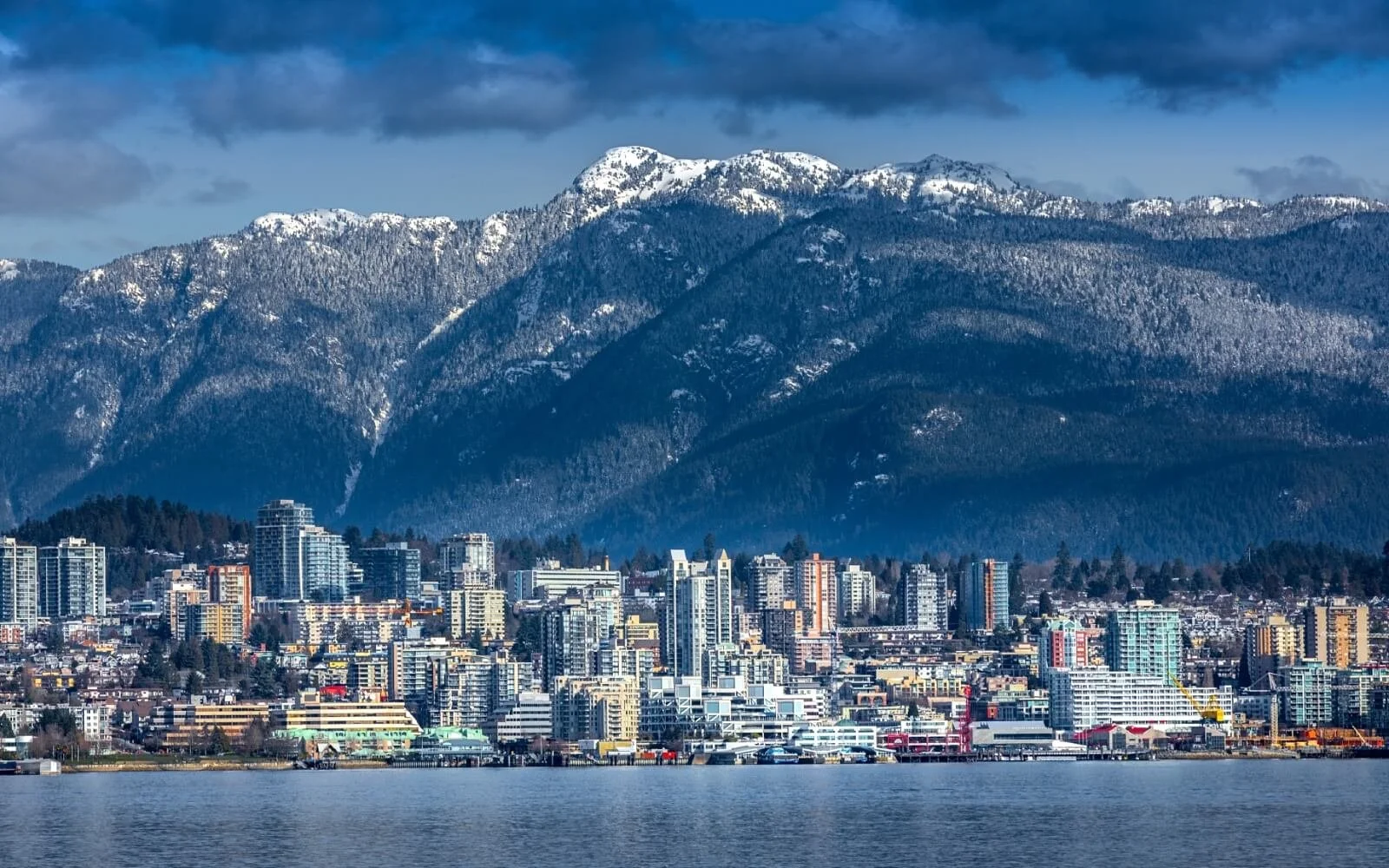
North Shore (West Vancouver & North Vancouver)
What happened in 2025:
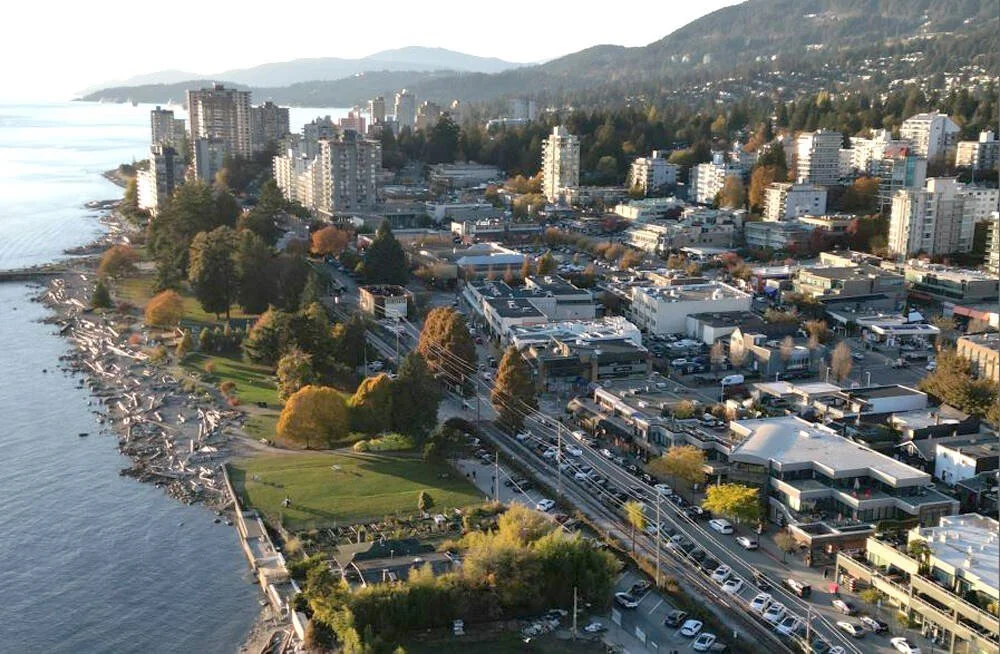
The North Shore market, home to some of the region’s priciest real estate, slowed significantly in 2025 – but mostly in terms of sales volume rather than prices. As Keith Roy explains, in areas like West Vancouver (and Vancouver’s own West Side), “when the market slows down, the prices tend not to go down that much. But what happens is the volume drops off precipitously.” In other words, many North Shore sellers took a “wait it out” approach this year. Owners of $2–5 million homes often have substantial equity (or no mortgage at all) and don’t need to sell just because the market is soft. Rather than slash prices, many chose to hold their properties, refinance, or even rent them out short-term. “If you have a $3 million home and you come across tough times, you can borrow your way out… You’d be better off to do that than to sell into a downslide,” Roy notes of the typical North/West Van homeowner’s mindset. This helped keep detached house prices relatively firm on the North Shore – we didn’t see the double-digit price corrections that hit condos or some outlying areas. However, sales were few and far between, and buyers had far more leverage to negotiate on the homes that did hit the market.
Inventory & buyer behavior: Inventory on the North Shore
climbed modestly in 2025, mostly as some luxury listings lingered unsold and a trickle of downsizers listed older homes. But inventory is still low in absolute terms – the North Shore has a limited housing supply to begin with, and many owners simply sat tight. Buyers looking for a North Van or West Van home found less competition and more chance to include subjects (like inspections) than in the frenzied days of 2021. There were even a few deals on estates where sellers were motivated (estate sales, people relocating, etc.), but broadly speaking, discounts were modest. The condo market on the North Shore mirrored the rest of Metro Vancouver’s condo trend: slower sales and slight price declines. Investor demand cooled, and some would-be condo sellers decided to rent out units instead of selling at a discount. One nuance: North Shore condos oriented toward end-users (think spacious units with views in concrete buildings) held value better than small investor-oriented condos. Overall, buyers in late 2025 could find slightly lower prices on North Shore condos and townhouses compared to a year ago, but the detached segment remained resilient.
2026 Outlook:
Expect the North Shore to remain a stable but slow market as we enter 2026. If you’re a buyer, don’t bank on fire-sale prices for that West Van dream home – well-heeled owners will likely keep resisting low-ball offers. Opportunities may arise on properties that have sat for months: a savvy buyer could negotiate a 5-10% price reduction on a home that’s been listed since summer, especially if the seller needs to move. Prices for luxury homes are forecast to plateau rather than plummet. On the North Vancouver side (generally more mid-market than West Van), detached prices could see a gentle slide of a few percentage points if interest rates stay high, but a major correction is unlikely without a larger economic trigger. Condo and townhome inventory might build if more owners list in 2026, which could lead to continued slight price softness in those segments – good news for first-time buyers aiming for a North Shore entry point. One thing to watch is the return of demand: If buyers who sat out 2025 decide that 2026 is the time to jump in (especially if interest rates stabilize), the North Shore’s inventory could get snapped up quickly.
Bottom line:
North Shore real estate will remain a high-priced, low-supply environment. Buyers should be ready to act when a suitable home appears, but can approach negotiations more confidently than in the hyper-seller’s market of a couple years ago. As Roy puts it, when it comes to top-tier markets like these, “where else can you make $300,000 tax-free other than real estate?” – many sellers know this and will hold out for their price. Patience and realistic expectations will be key on both sides of the table.
Tri-Cities (Coquitlam, Port Coquitlam, Port Moody)
What happened in 2025:
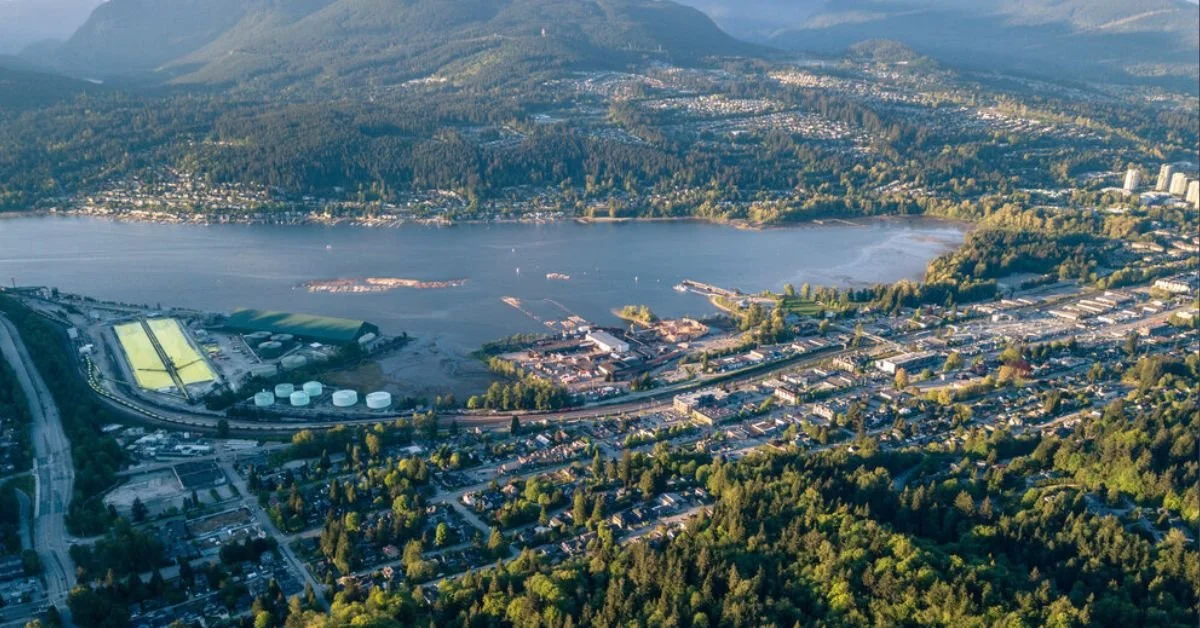
The Tri-Cities (Coquitlam, PoCo, Port Moody) saw significant cooling in 2025, much like the rest of the region. While we don’t have exact figures for every city, the overall pattern was clear: sales volumes dropped and listings stayed on the market longer. James Robinson, who works in Maple Ridge and tracks many suburban markets, noted that across the northeast Metro region the slowdown was consistent. In Maple Ridge (just east of Coquitlam), detached house sales in early 2025 were ~45% below normal levels, and “very, very consistent drops” in sales were seen in Pitt Meadows and Mission as well. It’s likely Coquitlam and Port Moody experienced a comparable slide in sales – perhaps not as steep as 45%, but certainly a noticeable decline from the previous couple of years. Home prices in Tri-Cities responded by edging down gradually. There was no crash, but month after month of slower sales put downward pressure on prices, especially for condos and higher-end detached homes. By late 2025, buyers could find condos and townhouses in Coquitlam selling a bit below 2022 prices, and some detached homes were seeing price reductions in order to sell. Notably, the most expensive or discretionary purchases were the hardest hit – Robinson observed that “one of the asset classes… hit the hardest are acreages”, with sales of large lot properties dropping off dramatically. While the Tri-Cities don’t have a ton of acreages compared to Maple Ridge, this trend is a proxy for the broader market: big-ticket houses (say, the $2M home on a Port Moody hillside) saw very few buyers in 2025, forcing some price flexibility. More affordable family homes (e.g. a $1.2M older house in Port Coquitlam) fared a bit better, but overall price trajectory was flat-to-down.
Inventory & buyer trends:
Inventory in the Tri-Cities climbed in 2025 to the highest levels in recent years. Part of this was soft new construction demand: Coquitlam has had many condo projects completing, and some investors who bought pre-sales found it difficult to flip or rent them at expected prices, increasing resale listings. Additionally, resale inventory grew as some owners tried to time the market (listing before prices could fall further) or were prompted by life changes. By year-end, Coquitlam’s condo inventory, for example, was noticeably up, giving buyers far more choice. Robinson describes one of his clients, a buyer, being “incredible[d]” at the options and negotiating power they suddenly had. First-time buyers started to hunt in this area due to relatively lower prices (compared to Vancouver proper). The Tri-Cities historically attract young families and newcomers, and in 2025 those buyers gained the upper hand: they could take their time, include subjects, and even negotiate below asking in many cases. Investors, on the other hand, largely pulled back. The rental market remained strong (thanks to high immigration and limited rental supply), but with interest rates high, most investors weren’t expanding their portfolios here – especially given the small dip in condo rents expected as more new rental buildings open (a trend Roy highlighted for Metro Vancouver). This meant fewer bidding wars driven by investors, easing competition for regular homebuyers.
2026 Outlook:
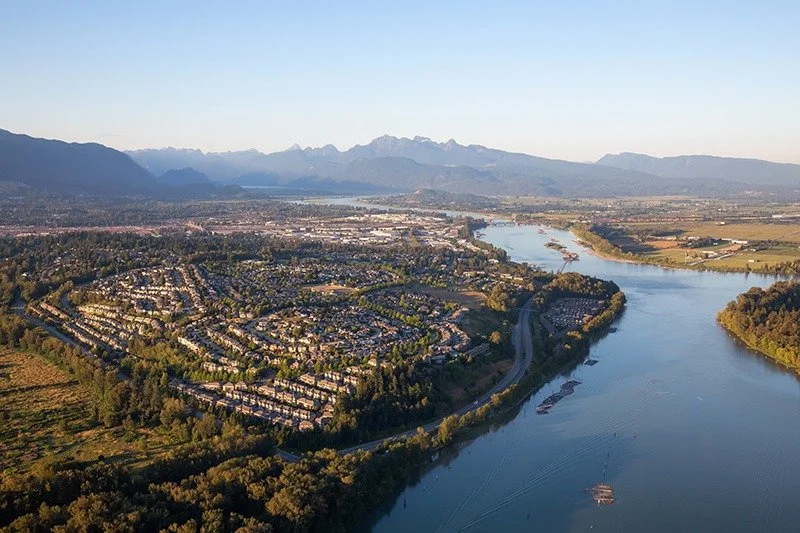
The Tri-Cities are poised for a balanced market in 2026, one that could tilt either way depending on interest rates and the economy. On one hand, there is latent demand ready to emerge. Many young families still want to live in Coquitlam or Port Moody for the schools and community – they just paused their search in 2022–2023 due to cost and rate uncertainty. If mortgage rates inch downward or even stabilize in 2026, some of that demand will come back. Robinson emphasizes that pent-up demand doesn’t go away; buyers may delay, but “eventually that pent-up demand comes into play… once confidence returns”. That suggests we could see a surge of activity in mid to late 2026 if conditions improve (and certainly by 2027, many expect a stronger cycle upswing). Until then, prices are likely to bottom out and then remain relatively flat for a while. Tri-Cities detached home prices might dip a few more percentage points early in 2026 – presenting a potential window for buyers to snag a family home at 5-10% off last year’s peak. Townhouses and condos in this area are expected to stabilize in price; they’ve already corrected slightly (for example, a typical 2-bed Coquitlam condo that was $750k at the peak might be trading in the low $700s now). If you’re a buyer, 2026 will offer a favourable playing field: plenty of inventory, sellers who know you have choices, and still-low competition. Opportunities will be especially good for those aiming to “move up” – e.g. selling a condo and buying a house. The gap between condo and detached prices has narrowed somewhat, making the jump more attainable.
Risks/nuances:
Keep an eye on new developments – some pre-sale condo buyers in Coquitlam might decide to assign their contracts or sell soon after completion, which could add select opportunities to buy newer units at a discount. Also, while unlikely, if the economy dips into a serious recession, the Tri-Cities could see an uptick in highly motivated sales (job loss or financial stress can force sales here more than in ultra-wealthy areas). For now, though, the vibe is cautious optimism. As one longtime agent might put it: the Tri-Cities market in 2026 could be like a compressed spring – a bit tense and coiled now, but with the potential to bounce back once the pressure eases.
Vancouver West (West Side & Downtown)
What happened in 2025:
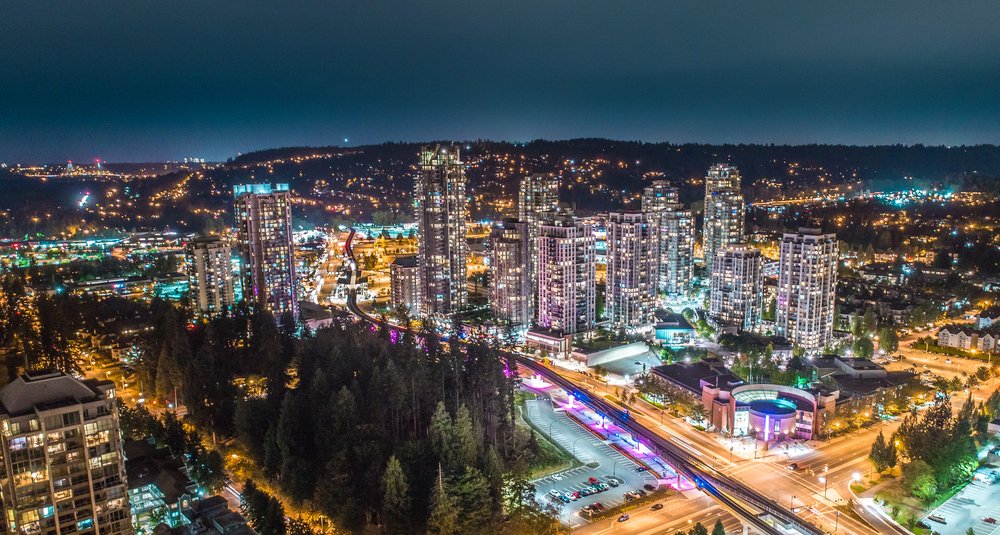
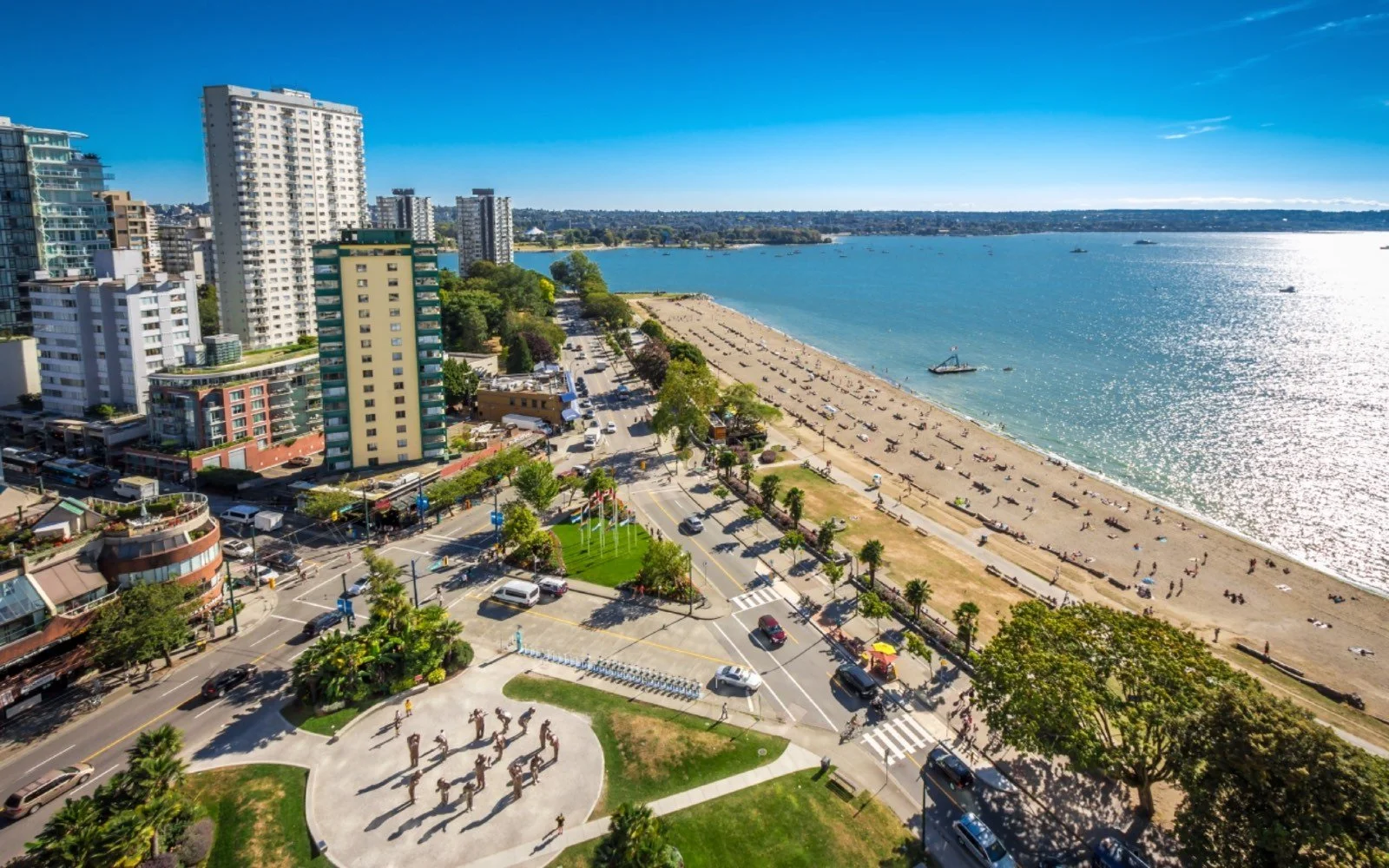
Vancouver’s West Side (encompassing neighborhoods like Kitsilano, Point Grey, Dunbar, Shaughnessy) and the downtown core endured a year of adjustment. The story here split by property type.
Detached houses on the West Side saw minimal price decline despite the overall slowdown. As mentioned earlier, wealthy homeowners have the means to wait out slow market periods. Thus, rather than big price drops, we saw transaction volume plunge. Many luxury listings just didn’t move unless priced very sharply. For example, a $4 million house in Dunbar that might have attracted multiple offers in 2021 could linger with no offers in 2025 – but the seller wouldn’t necessarily slash the price; they might simply withdraw and try again later. Keith Roy notes that these higher-end house sellers can tap into equity or alternative financing rather than sell low: “Most of those [houses] don’t have mortgages on them… you can ride [out tough times] for two or three years… better off than selling into a downslide”. As a result, West Side house prices stayed roughly flat in 2025, even as sales fell to a trickle.
The condo and townhouse segment, however, experienced a notable softening. Downtown Vancouver and West Side condos faced a one-two punch of reduced demand and increasing supply. On the demand side, higher interest rates and negative media headlines (often referencing Toronto’s condo woes) made buyers skittish – “everyone’s talking about the condo market just being in the tank,” Roy observes. On the supply side, Vancouver has spent the last few years incentivizing purpose-built rentals over condo projects, so we didn’t have a glut of new condos for sale (like Toronto did). However, a lot of new rental buildings are hitting the market, and while that doesn’t directly add to condo inventory, it does mean renters have more options. Investors who own older condos for rental saw the writing on the wall: with thousands of new rental units by developers coming available, “there’s going to be some downward pressure on generic condo rental rates,” Roy points out. Many small landlords therefore stepped back from buying, and some even sold condos they felt wouldn’t see much rent or value growth in the near term. The outcome by late 2025: downtown condo prices about 10–20% below their peak. Roy gave an anecdote of a downtown studio that was $500k in 2021 now selling for $400k. Similarly, 2-bedroom condos in Kitsilano or Fairview saw prices roll back to roughly 2018-2019 levels (if one sold for $1.1M in 2022, it might fetch closer to $950k-$1.0M now, depending on the building). Not every unit dropped that much, but the trend was clear. The “average price” stats are a bit lagging, but Roy cautions that by the time you see the averages down, the market prices have already moved: “I’m going to tell you our condo prices are actually back at 2018… I can point to specific properties listed for the exact same price [as in] 2018.”
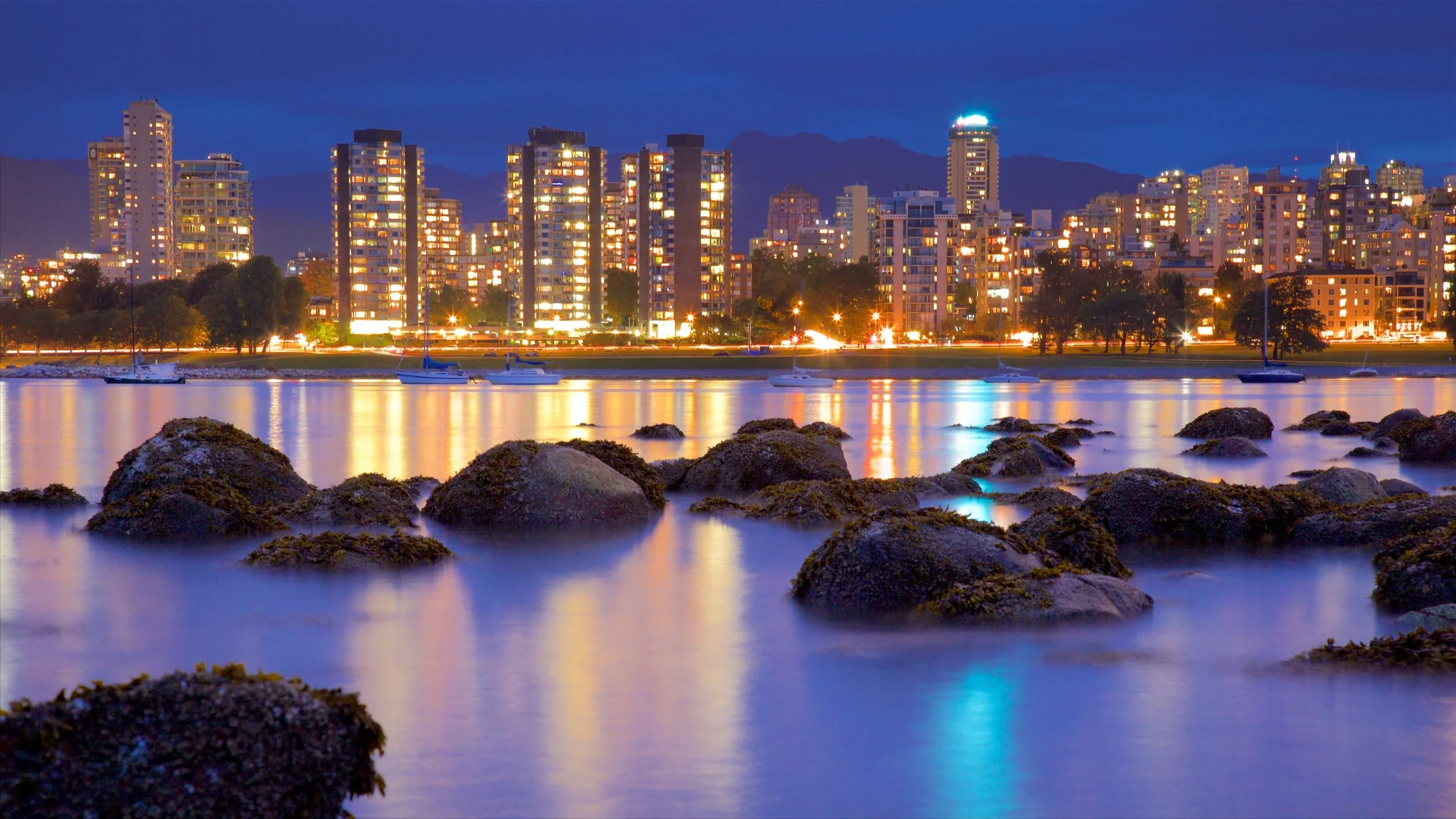
Another big change on the West Side: city policy and zoning. In an effort to increase density, Vancouver’s city government made it easier to build duplexes and multiplexes on traditional single-family lots. This quietly took effect in 2023-2024, and by 2025 the impact was being felt. “Every day you’re tearing down a single-family home to build a duplex or a multiplex,” says Roy. “You’re removing one unit of supply from the housing market… less houses in Vancouver today than there was yesterday.” This means the classic single-family house is literally becoming an endangered species in the City of Vancouver. Many older houses in desirable West Side areas are being bought by developers and redeveloped into two or four units. The short-term effect in 2025 was more construction and some homeowners selling for land value. The long-term effect is that detached houses – especially character homes or larger lots – are even more scarce, and their values are poised to diverge upwards from the rest of the market. “It’s the product everybody aspires to… and we’re losing that product,” notes Roy of detached homes. We started to see that divergence: even as condos languished, a rarity like a Kitsilano heritage house (something “irreplaceable”) still attracted buyers. In fact, one Kits character home sold for under $2 million this year – a relative bargain – and it was quickly snapped up.
Inventory & buyer trends:
Inventory on the West Side was mixed. House listings were actually scarce – many potential sellers didn’t bother listing in a weak market unless they had to. Those that did list often took longer to sell. Condo listings, on the other hand, piled up, especially downtown. By year’s end, downtown Vancouver had a fairly high number of condos for sale (some new, many old), and sellers had to price competitively to get attention. Buyers became picky: with abundant choice, they gravitated to units with unique features (a view, a large patio, a corner unit, etc.). Roy emphasizes that to outperform in condos, uniqueness matters: “If you buy the most generic home ever and then 10 other people are selling the exact same thing… the only way you can compete is price.” He gave examples like choosing the corner townhouse unit with extra windows versus the interior one, or a condo floor plan that includes a big terrace that other identical units lack. Buyers in 2025 had the luxury of hunting for these one-of-a-kind units and often negotiated better deals on the cookie-cutter ones.
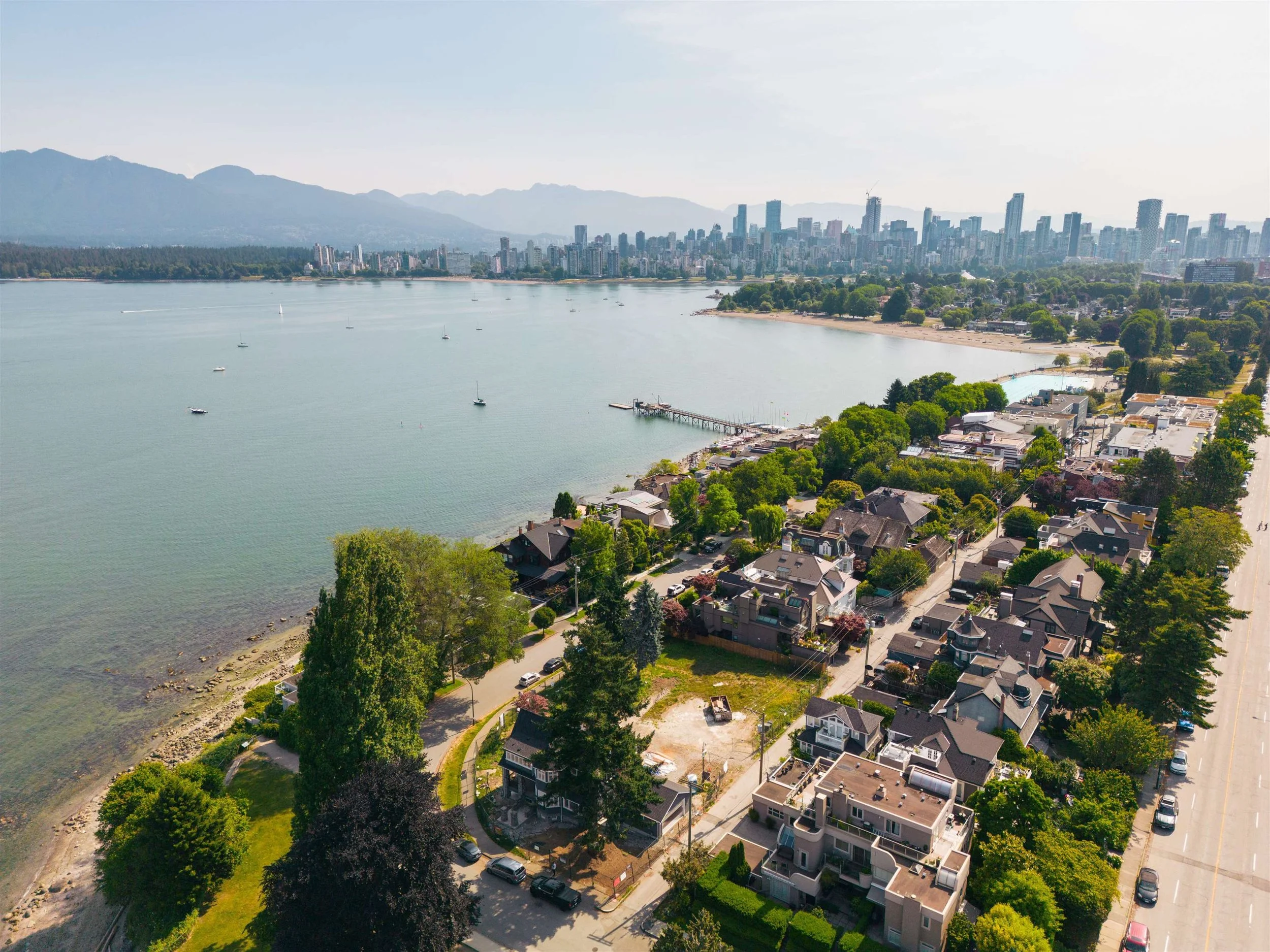
Another trend:
move-up buyers changed tactics. Previously, someone in a West Side condo looking for a house might leap straight to a house in East Van. Now, with the new “missing middle” housing, many are buying duplexes or townhomes as an intermediate step. Roy observed that the city has “filled in the middle… with those duplexes… $1.7 to $2.2 million everywhere you go”, which many families can “make happen”. So instead of needing $3M+ for a house, a family might spend $1.8M on a brand-new half-duplex in Kerrisdale or Kits. These units were popular in 2025, although their prices held fairly steady (since they’re in limited supply and high demand from folks who can afford them). Meanwhile, luxury buyers (think $5M and up) in 2025 were few. Those who did buy ultra-luxury tended to have inheritance or intergenerational money. “The house market is just people who are playing in the house market… They’re inheriting money… it’s a different market now,” Roy says of high-end West Side homes. That’s an important insight: the West Side detached market has become somewhat decoupled from local wages and more tied to wealth transfers and assets. It means it’s less sensitive to interest rate hikes (since many of those buyers are less mortgage-dependent) – another reason why prices didn’t fall much.
2026 Outlook:
For Vancouver West, 2026 could mark a turning point. Many experts feel that once the broader market finds its floor, the West Side will be one of the first areas to see confidence return (given its perennial desirability and scarce supply). Here are some expectations:
Detached Houses:
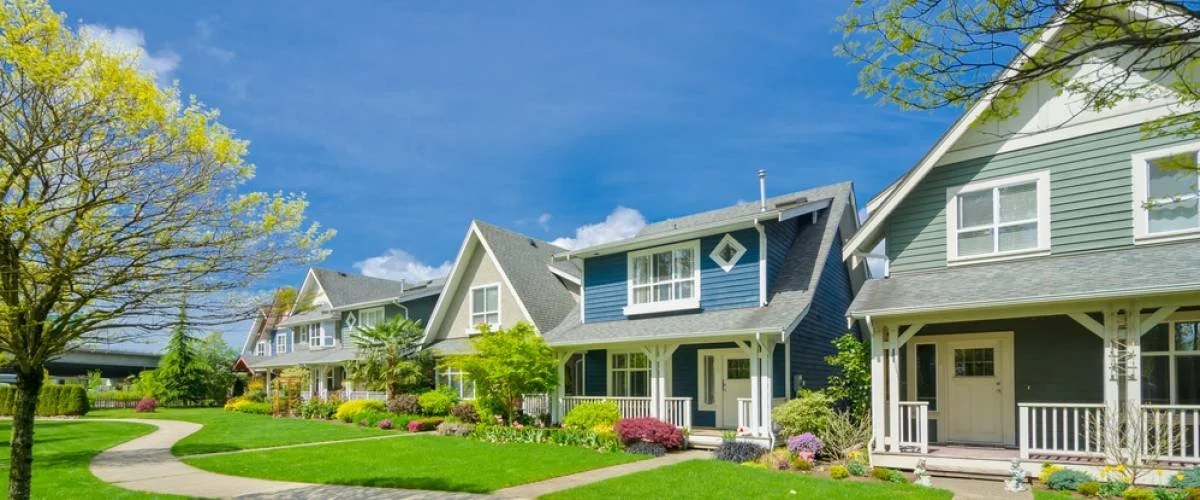
Prices will likely hold firm or even tick up for single-family homes, especially those on good lots. The supply of houses will continue to shrink due to redevelopment. If you can afford a house and plan to hold long-term, “that remains the right decision,” says Roy – there’s only so much land in these neighborhoods. We might actually see West Side house prices diverge further from condo prices. However, buyers should exercise new caution: thanks to multiplex zoning, you could buy a beautiful house and next door someone might sell to a developer who builds a 4-plex. Roy calls these multiplexes “very invasive… they could show up anywhere,” warning that “you could lose your sunshine, you could lose your leafy parking… a monstrosity [could be] next to you”. In 2026, this zoning risk is something house buyers on both West and East Side need to consider. It doesn’t mean avoid buying, but do your homework: check if neighboring lots could be redeveloped and factor that into the price you’re willing to pay.
Condos/Townhomes:
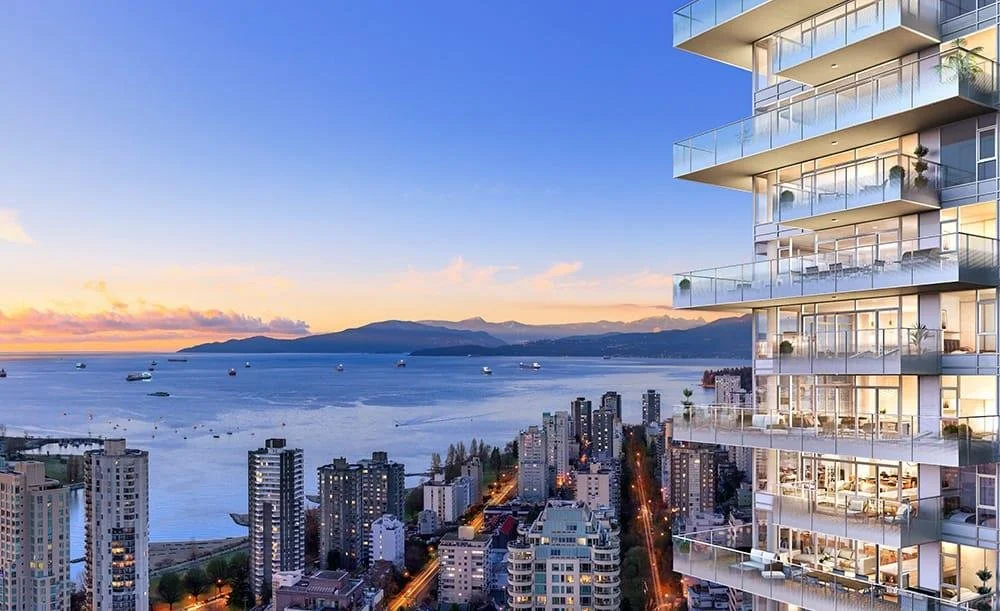
The condo market on the West Side/downtown is likely at its bottom or very close. We expect prices to stabilize in 2026, with perhaps a bit more softness in early months followed by leveling off. The reason? Affordability has improved (prices down while rents still high), and any hint of interest rate relief will bring back some buyers. There’s also a potential supply crunch looming a couple of years out – housing starts are down, so by 2027-2028 fewer new units will be coming. Roy predicts that by 2027, we could actually hit a supply shortage and see things take off again. That’s a way off, but it influences savvy buyers now: 2026 might be the last chance to grab a condo at 2018 prices. We don’t foresee significant further drops unless the economy worsens. That said, the rentals glut could put a lid on rent growth, so investors should be selective. For regular buyers, this means you might have more negotiating power on “investor-grade” condos (small units in high-rental buildings), while unique, end-user condos (family-size units, or those with special features) could hold value better.
Opportunities:
There will be some excellent opportunities in 2026 on the West Side. For instance, older low-rise condo complexes in prime areas (think a 1970s Kitsilano walk-up or a ’90s False Creek building) offer large floor plans and stable communities – these could be sleeper hits for buyers who value space and are willing to renovate. Roy suggests looking for “irreplaceable” attributes: “Something that can’t be recreated… heritage homes in Kits, large estate properties in Shaughnessy – they don’t apply to the average person, but you can still get [a] Kits character home for sub-$2M… they’re not building more of that product.” On a more accessible level, a condo with a big terrace or a unique view, or a townhouse that’s an end unit – those are the types of buys where you’ll likely see outsized appreciation later because they stand out.
Buyer mindset:
2026 West Side buyers should remain data-driven and level-headed. The market will still be in a state of flux, so consult realtors who know the micro-markets. West Side is full of nuances: one block can be drastically different from the next (due to school catchments, zoning, upcoming transit like the Broadway subway extension, etc.). Engage professionals who can tell you, “This building has a healthy contingency fund and mostly end-user owners, whereas that similar building down the street is half rentals and deferred maintenance,” because those details matter to future value and your quality of life. As Paul Davidescu (a mortgage broker who works with these top realtors) put it, specialists who can “predict landmines sooner than others” – e.g. knowing which condo towers have upcoming envelope issues or which blocks are prone to flooding – provide a huge advantage to buyers.
In summary, Vancouver West’s market in 2026 should be calmer and more buyer-friendly than the frenzy of a few years ago, but it’s also unlikely to get cheaper than it is now. The fundamentals (limited land, global demand, desirable lifestyle) haven’t changed. So if you’ve been hoping to land a home on the West Side or downtown, this may be your moment to negotiate a reasonable deal. Just be aware of the changing landscape – literally and figuratively – and buy something that you’ll be happy to hold for the long term.
East Vancouver
What happened in 2025:
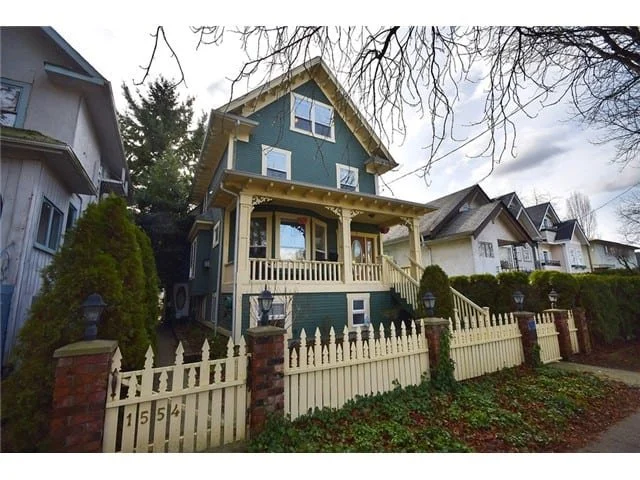
East Vancouver, which comprises neighborhoods east of Ontario Street (Mount Pleasant, Main/Fraser, Hastings-Sunrise, etc.), experienced a softer market in 2025 much like the West Side, but with a bit more price flexibility. East Van has a mix of older single-family homes (often on smaller lots), plenty of duplexes/laneway houses, and condos mostly in low-rise or mid-rise forms. In 2025, sales volumes were down here too, especially for detached houses in the $1.5–$2M range that are the staple of East Van. However, because East Van homes are generally more affordable (relatively speaking) and often owned by people with mortgages, we saw slightly more price adjustment than on the West Side. Sellers of East Van houses, while certainly not panic-selling, were a bit more willing to negotiate or reduce price if it meant getting a deal done. One reason is that the typical East Van seller might be a middle-class family looking to relocate or move-up, so they have a strong motivation to sell within a timeframe, unlike a West Side millionaire who can hold indefinitely.
Detached houses in East Van
likely saw modest price declines on the order of ~5% over the year. For example, a East Vancouver bungalow that might have fetched $1.7M in late 2022 could have sold around $1.6M or a tad less by late 2025, depending on condition and location. There were fewer bidding wars, and more conditional offers – a big change from the “sell in one weekend” pattern of 2021. One telling trend: move-up buyers from the West Side continued targeting East Van houses as a value play. “Some people will still make the jump from the West Side condo to the East Side house… that’ll continue because that’s doable – it’s sub $2 million,” notes Roy. This influx of buyers who sold a pricey condo in Kits or Yaletown and came looking in East Van provided a floor under East Van house prices. They saw East Van’s ~$1.5–$1.8M detached offerings as relatively good value for a family home with a yard. So while prices did soften, East Van houses remained in demand for those seeking an alternative to a $3M West Side home.
Chris Carr, a longtime expert on East Vancouver sub-markets, sees bright spots with long-term potential. "Strathcona is a long-term play," he says. "Once St. Paul’s Hospital opens, you’ll see an influx of professionals who want to live close to work. From my perspective selling downtown for years, it’s one of the few neighbourhoods right beside the core that still has character, walkability, and room to grow. Buyers are starting to notice."
Carr is equally bullish on Grandview Woodlands: "It’s one of the most underrated neighbourhoods in Vancouver. I see a lot of downtown condo owners move there because they want more space without giving up city living. You get real community, walkability, and access to Commercial Drive — and you’re eliminating the big strata fees that push people to make the jump."
He also offered a broader design insight: "The homes that hold value aren’t always the biggest — they’re the ones that live well. Downtown buyers pay a premium for layouts that feel functional: a proper entry, separated bedrooms, a real dining space, a den that can actually be used. Add good natural light and no wasted square footage, and the home shows well in any market."
The East Van condo/townhouse market mirrored the rest
of the city’s condo trend:
Slow sales, increased inventory, and some price erosion. Areas like Mount Pleasant, which had seen a condo boom, saw listings accumulate. Sellers often had to trim asking prices to get attention. By year’s end, a number of East Van condos were selling at prices last seen around 2019. One might say East Van’s condo correction was in line with the city average – roughly 10-15% off peaks on average. Notably, East Van has many older strata buildings (’70s and ’80s build), where prices per square foot are quite low compared to new product. Those older condos held value better in a downturn because they were affordable to begin with – e.g. a $500k two-bedroom in an older building didn’t have far to fall. Newer condos (like those near the Olympic Village/Mount Pleasant) saw more noticeable pricing pressure because investors had been active there and some listings were assignments or flips.
Inventory & buyer behavior:
By the end of 2025, inventory in East Van – particularly for condos/townhomes – was up significantly. There were more “For Sale” signs around Mount Pleasant and Commercial Drive than at any time in the past five years. For detached houses, inventory was somewhat constrained (again, many potential sellers just sat out the market). Still, buyers across all categories had more choice and more time to make decisions. First-time buyers looking in East Van (often for condos or half-duplexes) finally found they could write offers below asking and not be laughed off. Investors largely stayed away due to high borrowing costs and the City of Vancouver’s firm stance on things like the Empty Homes Tax and rental restrictions easing (meaning more rental supply from condos that used to be empty). A side effect: rental inventory in East Van went up as well – some owners who couldn’t get the sale price they wanted simply decided to rent out their place. This is a common pattern in East Van, which has a strong community of long-term holders.
Another interesting buyer behavior was multi-generational buying. East Van’s relatively larger lot sizes (compared to downtown condos) and the city’s acceptance of secondary suites/laneway houses meant some families pooled resources. For instance, one trend Robinson mentioned in the valley that’s also relevant here: “a lot of families now are… trying to get multiple family members on the same property”. In East Van, that might mean parents and adult children combining budgets to buy a house with a basement suite, so two households can live on one property. This trend tends to put a floor under larger East Van homes or those with laneway houses – they remained appealing even in a slow market, because they present a solution to the affordability challenge.
2026 Outlook:
East Vancouver is set to remain one of the most popular targets for buyers in 2026, thanks to its (comparatively) affordable houses and vibrant community feel. Here’s what we anticipate:
Detached Houses:
Prices for East Van detached homes are expected to stabilize and potentially start rising modestly by late 2026, especially if overall market sentiment improves. They are the “entry-level” houses for Vancouver, and demand for them never truly goes away. If interest rates hold or drop slightly, expect more young families to jump in, trying to lock down a house before any uptick. The relative affordability (many options under $1.8M, which in Vancouver counts as affordable for a house) means there’s a ceiling on how far down these can go. As Roy noted, the East Side house is the natural next step for many condo sellers – and indeed, we foresee that if downtown’s condo market wakes up in 2026, some of those sellers will immediately become East Van house buyers. Inventory of houses likely will remain tight (owners hold onto these because there’s nowhere else in Vancouver to get a house at that price point). So buyers should not expect huge discounts; rather, the advantage will be in having a chance to purchase with conditions and negotiating perhaps a few percent off list if the home has been on the market a while.
Condos/Townhomes:
The East Van condo market will probably mirror the West Side in bottoming out and leveling off. One difference: East Van could see slightly stronger demand bounce-back for condos because many first-time buyers who can’t afford $700k in Kitsilano might target a $600k condo in East Van. Affordability draws people. Also, as immigration continues (many new Canadians find East Van an attractive, diverse community), demand for modest condos and townhomes will persist. We expect East Van condo prices to stay roughly flat in 2026, with a possibility of a small uptick in the second half if buyers gain confidence. Townhouses and half-duplexes (the “missing middle” homes) should be in high demand – these are gold for young families who can’t pay West Side prices. The city’s push for more of these means more will be created, but in the interim, any townhouse or newer half-duplex listing in East Van will get attention. Prices on those might actually firm up sooner than the condo apartments.
Opportunities:
Buyers in 2026 can find good opportunities in East Van. For example, older condos with solid bones – you might purchase a larger fixer-upper condo in a great East Van location at a very reasonable price and add value through renovation. For detached homes, estates or long-time owner properties that haven’t been updated will present chances to get into a good neighborhood and renovate over time. Also keep an eye on any estate sales or “must-sell” situations – while rare, they do occur and could yield a bargain for a prepared buyer. East Van has many longtime owners; when those properties change hands (perhaps the family is selling an inherited old house), there can be less price resistance if they just want a clean deal.
Risks/nuances:
Much like the West Side, East Van will be subject to the multiplex development policy. In fact, East Van might see even more multiplex construction because lot values are cheaper, making the economics pencil out for developers. If you’re buying a house, be aware of what could be built nearby. On the flip side, if you are open to buying new construction, 2026 might offer more brand-new duplex/fourplex units in East Van from builders taking advantage of the zoning – these could be ideal for those who want a modern, lower-maintenance home but can’t afford a single-family house. Just remember Roy’s caution: small multi-unit projects often require careful planning and often involve investors pooling money – if you’re considering partnering to invest in a multiplex, go in with eyes open about costs and management (it can essentially become a small business venture).
In short, East Vancouver in 2026 should remain a bright spot for home buyers seeking a balance of value and urban lifestyle. Prices are at a much more approachable level than they were during the frenzy, and while they may not drop much further, they’re also not about to skyrocket overnight. It’s a window of opportunity to get into an East Van home on relatively reasonable terms. If the market tide turns upward in late 2026 or 2027, you’ll be glad you planted roots in East Van when others were hesitating.

Fraser Valley (Surrey, Langley, Abbotsford & Surroundings)
What happened in 2025:
The Fraser Valley region – encompassing Surrey, Langley, and extending out to Abbotsford/Chilliwack – went through a notable market correction in 2025, particularly in segments that had overheated or where speculative/investor activity was high. Surrey is a tale of two markets: the suburb’s family-oriented neighborhoods versus its investor-heavy condo hub in Surrey Central (Whalley). According to realtor Alex Dunbar, who specializes in Surrey/Langley, condos in Surrey Central were hit hardest. “We’ve had a ton of [condo] projects that have completed, or others that have not ended up completing because they couldn’t get enough pre-sales…,” he notes. By mid-2025, Surrey Central faced a glut of inventory: many investors who bought pre-sales found themselves either unable or unwilling to complete, leading to fire sales. One developer famously held a blowout sale with 25% off prices to try to spur sales – and they did sell quite a bit of product, Dunbar says, but even that wasn’t enough to keep them above water. That project’s now been converted to a rental building. This anecdote highlights the condo oversupply and distress in that node. As a result, Surrey condo prices in the Whalley area fell significantly (double-digit percentage drops from the peak, easily). Investors who had bought at the height were underwater, and some pre-sale assignments were trading hands at a loss.
Meanwhile, townhomes and detached homes in the Fraser Valley saw more nuanced trends. Dunbar outlines an interesting shift in Langley vs. Surrey sub-markets: In mid-2023, townhome prices in Clayton/Cloverdale (Surrey) and Willoughby (Langley) were about identical. But since then, “Willoughby has actually maintained its prices a lot better… whereas Cloverdale and Clayton have kind of fallen off,” Dunbar observed. Why?
"Willoughby has a bit more going on in terms of shopping and amenities, and it's closer to the highway, making it a more attractive option for buyers compared to the neighboring areas of Clayton and Cloverdale. The discount we're seeing in Clayton right now is pretty hard for buyers to pass up, in my opinion, unless they're really tied to one of the other communities."
By late 2025, townhouses in Clayton/Cloverdale were about 5–10% cheaper than very similar ones just a few blocks over in Langley. For example, an older (10-15 year) 1,800 sq ft townhome might sell for ~$850k in Clayton, whereas a comparable in Willoughby could still fetch $920k. “When I’m seeing stuff that’s 5–10% cheaper for almost the exact same product… that’d be pretty hard to pass up [for buyers],” says Dunbar of these Surrey deals. Indeed, buyers took notice – those sub-markets with sharper drops started to see bargain hunters stepping in.
The detached house market in the Fraser Valley also cooled in 2025, but similar to elsewhere, volume dropped more than price. Langley, Surrey, and Abbotsford detached prices did come down from 2022’s peak, yet many sellers held off rather than sell at a big discount. One segment really hit was higher-end rural properties (acreages). As James Robinson noted for Mission/Maple Ridge (which is adjacent to the Fraser Valley proper), acreage sales fell off a cliff – 60% fewer sales than normal – as few buyers can qualify for those large purchases in a high-rate environment. Across the board, 2025 was a buyer’s market in the Valley. Dunbar saw a lot of first-time buyers and young families finally able to enter: “Before, maybe they could only get into a condo… now I’m seeing those people get into entry-level townhomes… $700,000 to $800,000 range”. Many of these buyers had been on the sidelines, and the combination of slightly lower prices and developers’ incentives (like price cuts or mortgage rate buydowns) helped them take the leap. On the flip side, some higher-income folks left the region – Dunbar noted an interesting trend of software engineers selling their Surrey/Langley homes and moving to the U.S. (Seattle area) for work. Those sales added a bit to inventory and often those sellers chose to rent out their BC home or hold off selling until they got a price they wanted.
Inventory & buyer trends:
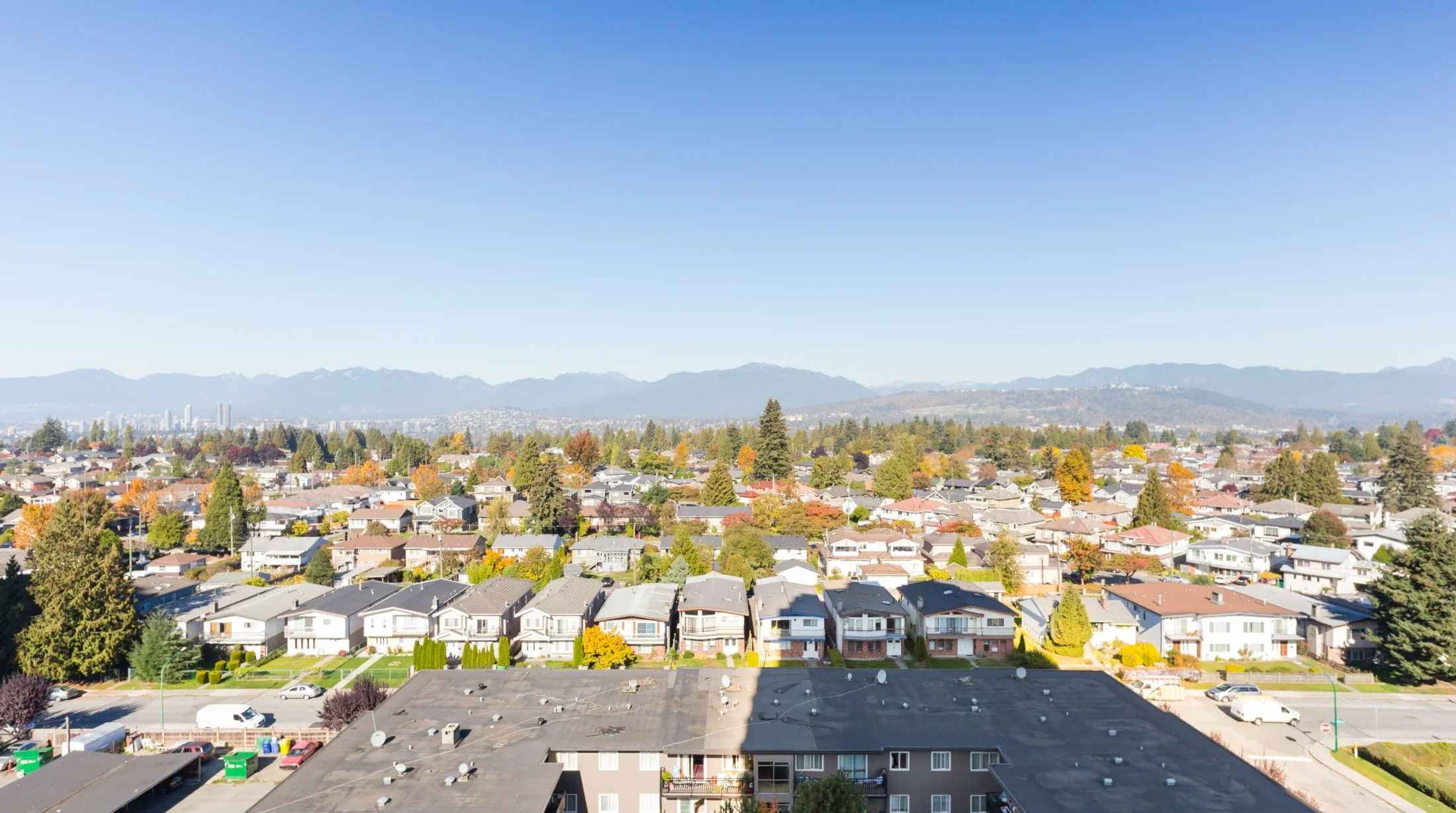
Inventory in the Fraser Valley climbed dramatically in certain segments during 2025. Nowhere was this more evident than the condo sector in Surrey. “We’re seeing this flood of inventory on the market [in Surrey Central],” Dunbar reported, with many units closing and immediately being listed for sale by investors who never intended to hold them. Lots of people are in trouble in that pocket: “A lot of [investors] bought there just thinking they could make a quick buck, and some of them weren’t actually able to close at the end of the day… so we’re seeing a flood of inventory… lots of great deals, [but] also a lot of people in trouble”. This scenario turned Surrey Central into arguably the best buyer’s market in BC – condos selling at steep discounts, sometimes below replacement cost. Outside of condos, townhome and house inventory also crept up through 2025 as sales slowed. By year’s end, active listings for Fraser Valley homes were at a multi-year high, giving buyers ample choice.
Buyers in 2025 took advantage of this.
We saw a continuation of the “drive till you qualify” trend: families from pricier Burnaby/New West or Coquitlam areas were actively shopping in Langley, Cloverdale, and Abbotsford to get more for their money. Additionally, move-up buyers leveraged the softer market – someone selling a townhome in Surrey might find it’s only down ~5%, but the detached house they want in Abbotsford is down maybe 10%, making the upgrade gap easier. As Dunbar put it, “with where the market’s been going, it makes that jump from a condo to a townhome, or townhome to detached, even easier than it was in the past”. Indeed, 2025 created scenarios where a family could move from a townhouse in the city to a house in the Valley for a relatively small increase in monthly cost (especially if they were one of the lucky ones to lock a lower-rate mortgage during a developer promotion).
2026 Outlook:
The Fraser Valley market in 2026 is expected to gradually find its footing, with different sub-areas recovering at different paces. Here’s what to expect:
Surrey Central Condos:
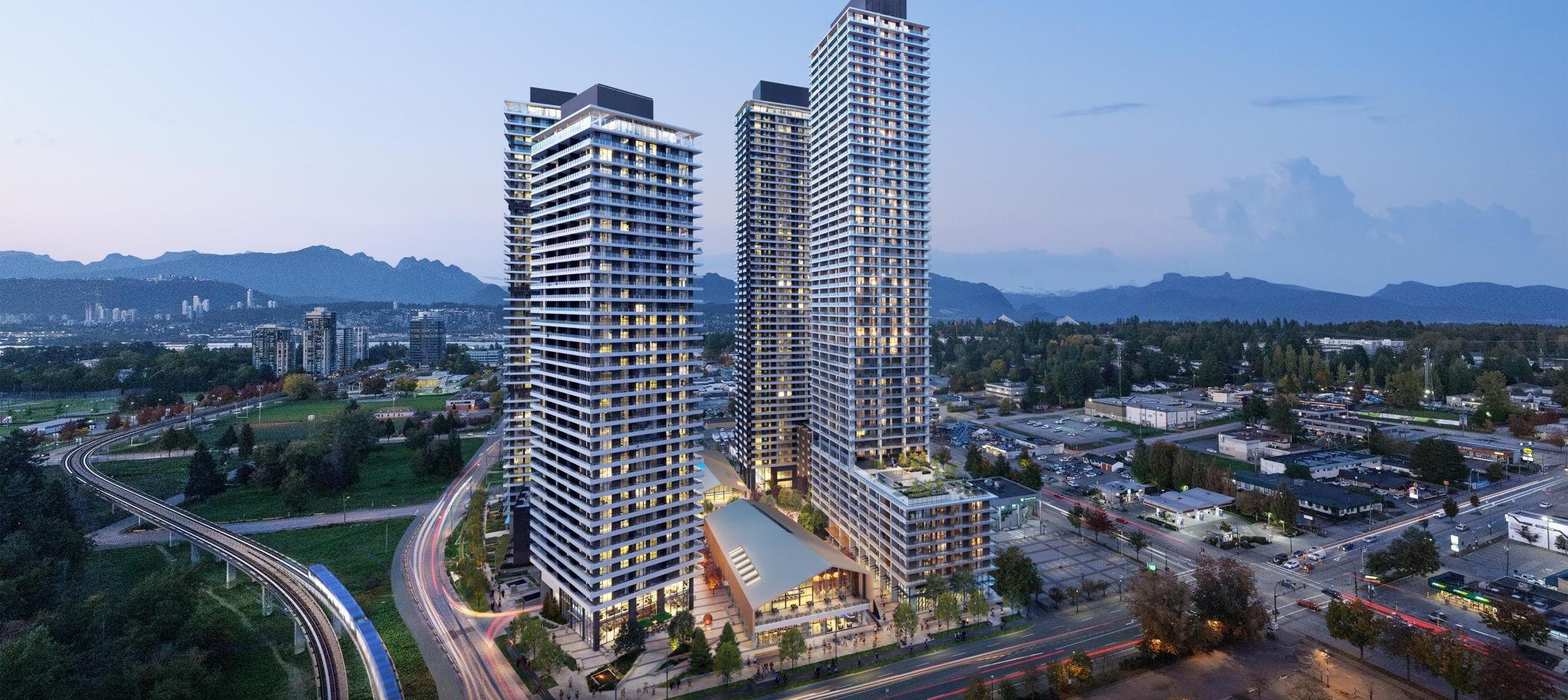
This submarket will likely remain soft into 2026, which is good news for buyers hunting for deals. There’s still excess inventory to work through – many units are now rented out, but some owners will choose to cut losses. Prices for newer 1-bedroom condos in Whalley that peaked around $500k might linger in the low-to-mid $400s until the oversupply clears. The silver lining is that no new projects are starting there for now (developers learned the lesson). Roy mentioned that housing starts are way down; eventually, this will cause a supply crunch, but in places like Surrey Central that might not be until 2027 or beyond. In the meantime, 2026 buyers have bargaining power. If you’re a first-time buyer or investor with a long view, you can get a practically new condo at a hefty discount. Just choose carefully – focus on buildings with good management and ones that will stand out when the market turns. Also, watch for developer incentives on any remaining inventory (e.g. included GST, rent-to-own programs, etc.). The rental conversion of one project is a warning that some pre-sale buyers may walk away – if you’re ready, you might scoop up such assignments or foreclosures at great prices.
Townhomes and Surrey/Langley Houses:
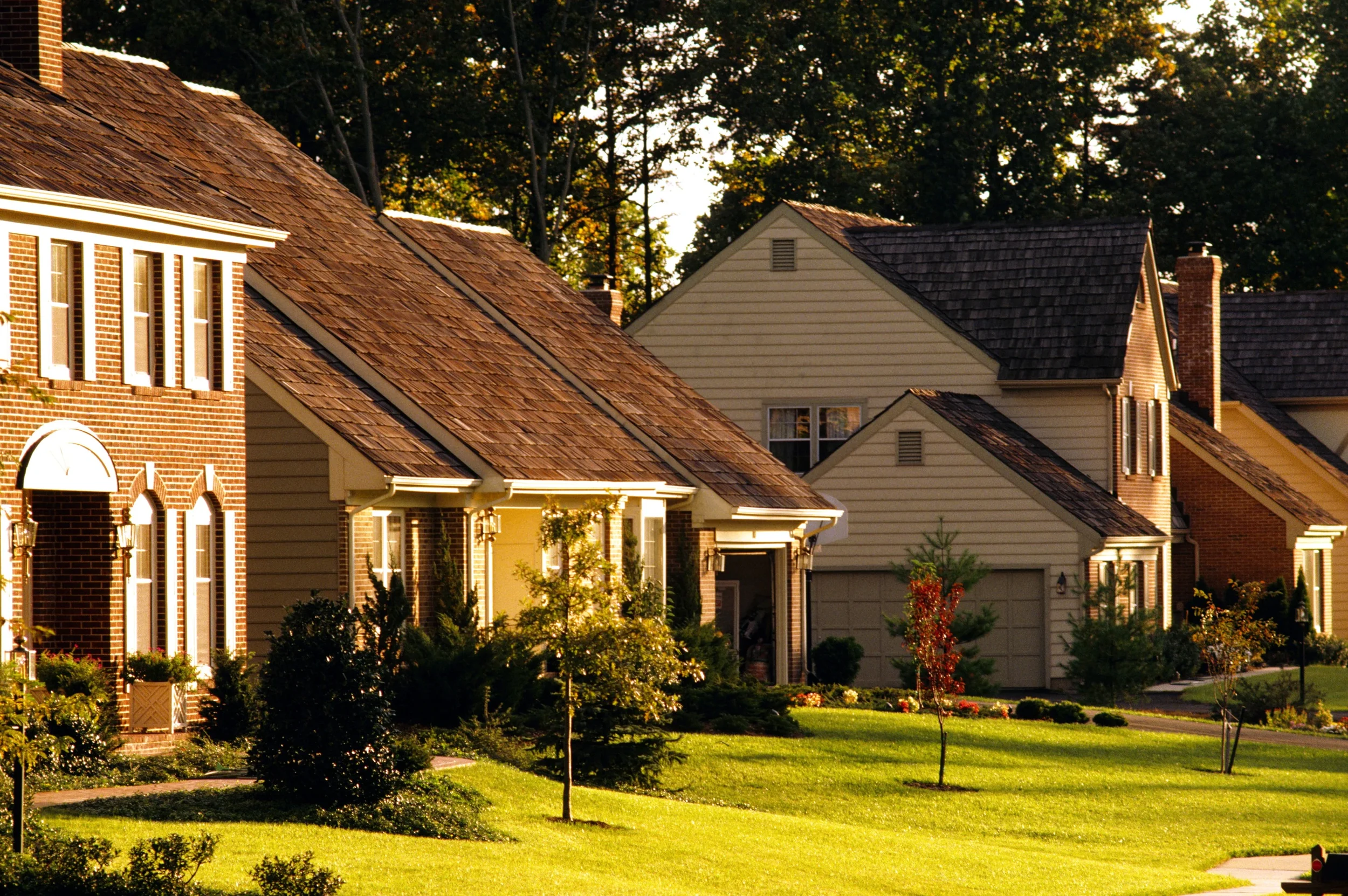
These are likely to be the first to stabilize and bounce back in the Valley. Already by late 2025, realtors saw increased showing activity on well-priced townhouses. The gap between what a seller hopes for and what buyers will pay has narrowed. Expect prices to mostly level off in 2026 for family-oriented townhomes and detached homes in Surrey/Langley. Willoughby (Langley) may continue to outperform slightly (it’s become a favourite, as seen by those Willoughby-loving buyers from Burnaby that Dunbar mentioned – “People from Burnaby are like, ‘oh my god, this is the best place ever’” when they discover the value in Langley). But that also means opportunities in Clayton/Cloverdale: as Dunbar highlighted, a savvy buyer can get essentially the same house or townhome for 5-10% less just by being on the Surrey side of the border. Those kinds of value plays will be abundant in early 2026. Inventory for townhomes might remain elevated for a while (many move-up sellers), but demand is also strong (young families and downsizers love one-level townhouses). By mid-2026, if interest rates are down even a touch, expect a lot of fence-sitters to commit, which could start edging prices up again.
Affordability & Migration:
The Valley will continue to be the pressure-release valve for Metro Vancouver’s affordability problem. If the core markets heat up at all, more buyers will flow outwards. This means areas like Abbotsford, Mission, Chilliwack could see a pickup in activity in late 2026. Prices there are already quite corrected (e.g., Mission saw nearly a 46% drop in detached sales volume and corresponding price softening). Those markets might have another year of flat prices, but any sign of rate relief or improved sentiment will quickly translate into sales because local buyers (and investors from Vancouver) will jump on the comparatively cheap prices. Keep in mind Robinson’s strategy insight: “acreages are the hardest hit… that’s when you want to buy, right? When people are fearful”. For long-term investors or those wanting a family estate, 2026 might be a golden moment to pick up a Fraser Valley acreage or large lot while they’re at cyclical lows – particularly if they have future development potential.
Risks/nuances:
Buyers should still be careful to vet the fundamentals of what they’re buying. In a soft market, it’s tempting to grab the cheapest thing, but as Dunbar advises his clients, make sure you’re focusing on “objective data” of value. For example, a condo with extremely high strata fees or a pending lawsuit might be cheap for a reason. Or a townhome right next to the future SkyTrain construction might come with years of headaches (and then noise afterward). The general rule: close is good, too close is bad, holds – “I always tell people… I want to be close enough [to transit] that it’s accessible, but not too close,” says Dunbar, citing concerns about noise and transient activity immediately around stations. So, consider the micro-location carefully. Also, in new subdivisions, check how many units are rentals or if any investors are liquidating – you don’t want to buy on a street with half the homes vacant or for sale. One more nuance: Surrey’s reputation stigma. Dunbar mentioned some buyers still have a “negative stigma of Surrey”, even when the difference between Surrey’s Clayton area and Langley’s Willoughby is literally a few blocks. That stigma can affect prices (hence the discount in Surrey). As a buyer, that’s an opportunity if you’re value-driven – but also think about resale: will that stigma fade as the area develops (likely, yes, with new transit and amenities)? Many think it will, which means buying in a currently less fashionable Surrey locale could yield excellent appreciation in the long run.
Bottom line for 2026:
The Fraser Valley is positioning to shift back into gear, potentially ahead of Vancouver itself. It’s had one of the steepest corrections, making it attractive now. As Robinson puts it, “there’s a lot of pent-up demand out there… when things change, they can change in a hurry”. So buyers in early 2026 have a great window to capitalize on current prices before that demand possibly rushes back. Whether you’re seeking a condo deal in Surrey, a family home in Langley, or land in Abbotsford, doing so in the next 6-12 months could mean buying at or near the market’s low. Just remain grounded and informed – use the data, lean on local expertise, and you’ll find that the Valley’s market, despite recent bumps, still offers the space, value, and upside that drew people there in the first place.
Burnaby & New Westminster
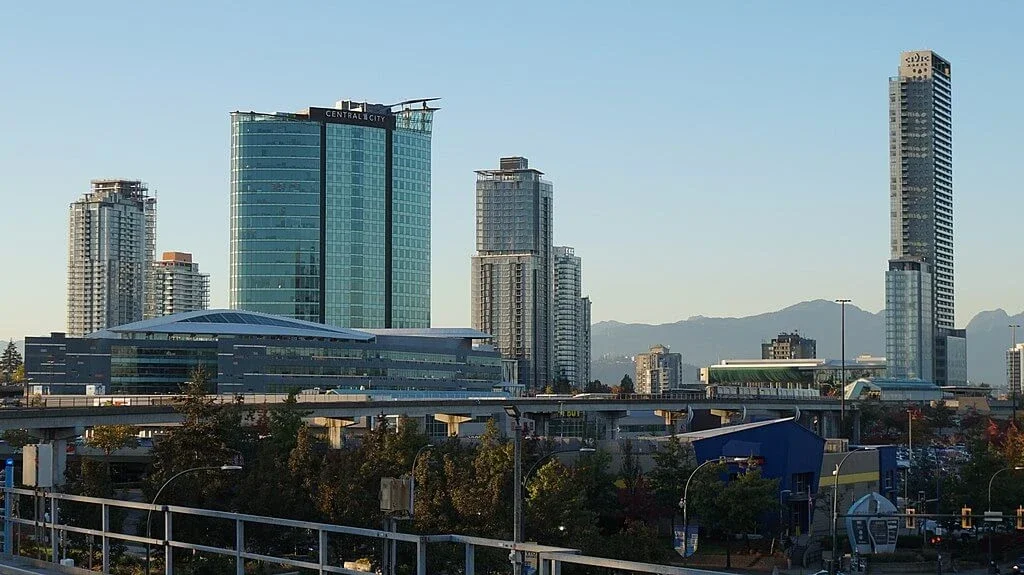
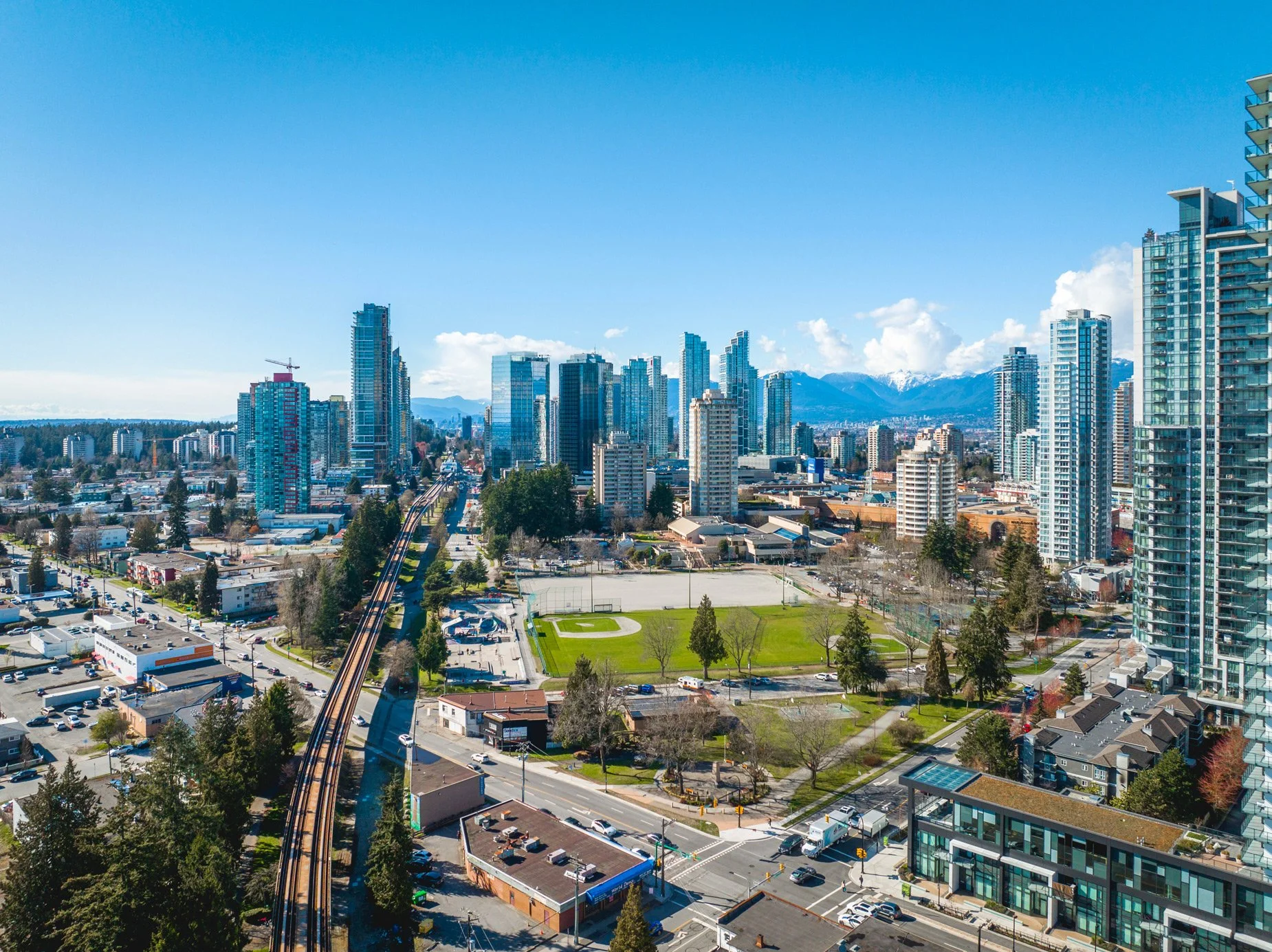
What happened in 2025: The Burnaby and New Westminster markets occupy the middle of Metro Vancouver both in geography and price point – and in 2025 they too felt the squeeze of higher rates and hesitant buyers. Burnaby, particularly areas like Brentwood and Metrotown, saw a frenetic condo boom in recent years that cooled significantly this year. At Brentwood, shiny new high-rises reshaped the skyline and commanded prices of $1,200 to $1,500 per square foot for pre-sale condos at the peak. In 2025, those expectations met reality. Investors pulled back, and some assignments around Brentwood traded below original purchase price as the market adjusted. While we didn’t see the same degree of distress as Surrey’s condo market, Burnaby’s condo sector had to become more competitive on pricing. For instance, a brand-new Brentwood 2-bedroom that might have been floated at $950k pre-construction might realistically sell in the $800s now, aligning with what Dunbar observed about Langley condos being nearly half the price of Burnaby’s at peak. This price gap led some Burnaby condo owners (or aspiring owners) to say, “forget this, let’s move further out.” In fact, migration trends showed people leaving Burnaby for suburbs like Langley; as Dunbar humorously recounted, clients from Burnaby moving to Willoughby were amazed at what they could get for their money: “People from Burnaby are like, ‘Oh my god, this is the best place ever. I wish we would have found it sooner.’” That sentiment sums up 2025: relative affordability ruled decisions.
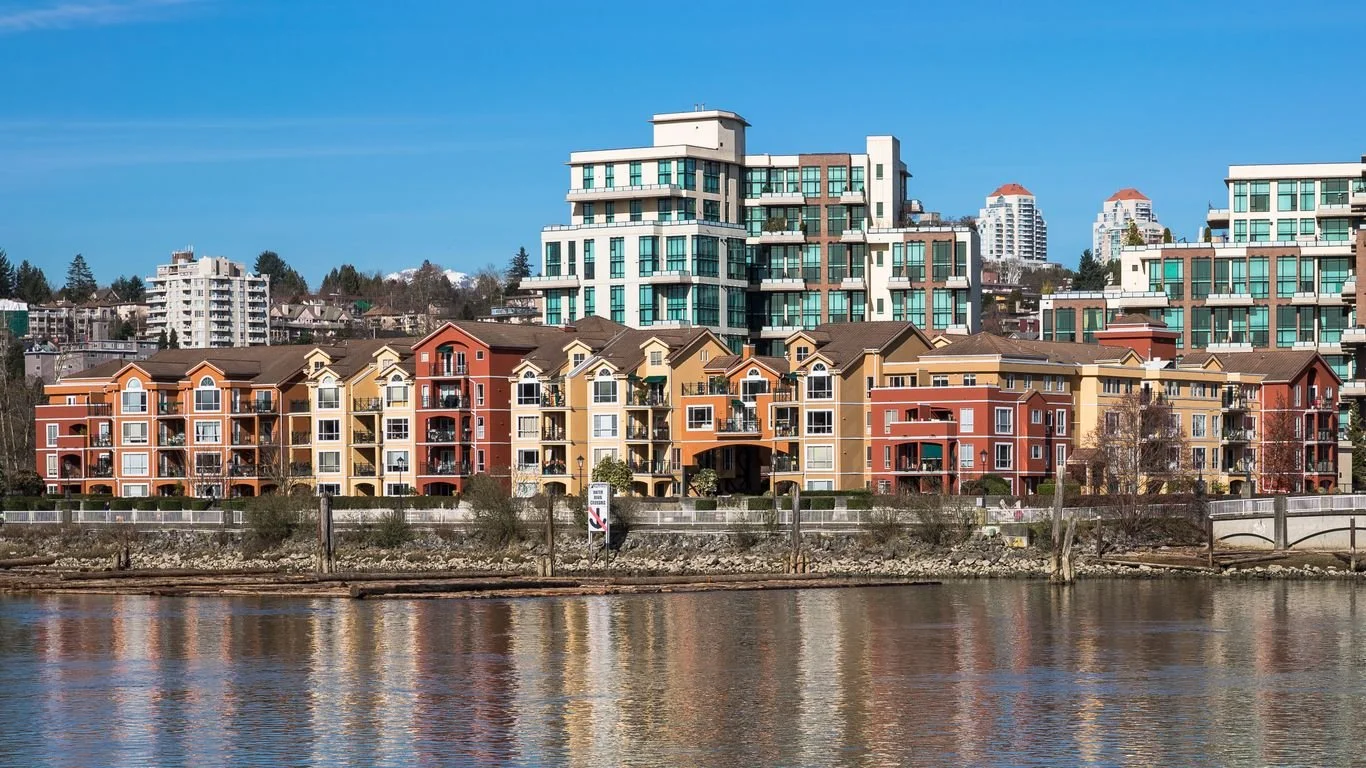
New Westminster, with its more affordable historic vibe, had a slightly gentler ride. Prices there were already more reasonable, so the correction was mild. New West’s condo market did see some softening (especially in newer waterfront high-rises), but moderate demand persisted due to first-time buyers targeting the area. The detached market in Burnaby and New West also slowed. Burnaby’s detached homes (some in the $2M+ range in areas like Metrotown, and $3M+ in Buckingham Heights) had very few takers in 2025. Like other high-end markets, many owners just sat tight rather than sell at a discount. New Westminster’s detached homes, which are more mid-priced ($1.2–$1.8M for many older homes), saw a bit more activity, but even there, sales were down and buyers had negotiating power.
Inventory & buyer trends:
Inventory in Burnaby/New West climbed modestly. Burnaby’s condo inventory especially grew as several new buildings completed, adding units for sale or rent. Sellers of older condos found they had to compete with flashy new listings (or with landlords offering rent deals in new towers). In New West, inventory remained more balanced; it’s a smaller market and didn’t get as overbuilt. Buyers in 2025 for these cities were often those with an “upgrade” mindset. For example, someone selling a condo in Burnaby might have bought a townhome in Langley, as mentioned. Conversely, some first-time buyers who got priced out of Vancouver looked to New West condos as a stepping stone, drawn by slightly lower prices and SkyTrain access. Burnaby also uniquely saw some immigration-driven demand – with Metrotown’s many condo towers, new Canadians often land there. But overall, high interest rates limited buying power, so many prospective buyers either stayed renters or went further east. Investors notably retreated; Burnaby had a foreign buyer presence historically, but with the foreign buyer ban in 2023 and high taxes, that demand was essentially nil in 2025.
2026 Outlook
For Burnaby and New West, 2026 will likely bring a gradual stabilization and perhaps renewed interest as prices have adjusted to more palatable levels.
Condos:
Burnaby’s condo market should start finding equilibrium. Brentwood, as a marquee area, will remain attractive – and if developers or assignment sellers keep pricing realistic, the absorption of inventory will improve. Expect to see aggressive promotions on any remaining developer units (e.g., Metro Vancouver developers have started including GST or decorating allowances to entice buyers). By mid-2026, if interest rates look to be trending down, domestic end-user buyers will feel more confident to commit, which could start firming up prices again. That said, don’t expect a rapid rebound to peak pricing. It will take time to work through all the new supply. New Westminster condos might actually bounce back a bit sooner due to their relative scarcity and lower price point – as soon as buyers sense the bottom, New West’s value proposition (a skytrain ride from downtown, at a discount) should fuel demand. We project flat to slight price growth (perhaps +2-3% by year-end) for New West condos, and flat for Burnaby condos (with gains in some undervalued pockets offset by continued softness in oversupplied ones). For buyers, early 2026 is an excellent time to snag a deal in Burnaby’s condo market. There are cases of nearly-new units selling at a loss; those are opportunities if you do your homework.
Townhomes & Houses:
Burnaby’s few townhome developments and New West’s family homes should remain relatively steady. Many families who need space and want urban convenience will circle back to these markets as alternatives to Vancouver proper. Burnaby, with its central location, will always be in demand. We expect detached home prices in Burnaby/New West to stay mostly flat in 2026, simply because there weren’t huge run-ups before and there’s limited supply (especially New West, which is small geographically). If anything, New West’s charming heritage homes might start to get multiple offers again if buyers regain confidence, since those types of properties are finite. Burnaby’s detached homes in areas like the Heights or South Slope could see slight price upticks if move-up buyers return from the sidelines, because relative to West Vancouver or the West Side, they offer more house for the money.
Opportunities:
A notable opportunity in Burnaby lies in the Brentwood and Metrotown condo resale market. Investors who bought pre-sales a few years ago at high prices and are now closing might want out – a buyer can negotiate on those and potentially assume a contract at a favorable price. Also, older condo buildings in Burnaby/New West with larger units (sought after by downsizers) might have units available at good prices; these older buildings’ values dropped a bit disproportionately as buyers flocked to new, but with new now expensive, the pendulum may swing back to “space and value” in older buildings. New West specifically might have some “reno specials” – e.g. an older house in need of TLC could be had at a discount, which is a great way to enter a detached market and build equity with improvements.
Risks/nuances:
One thing to watch is the interest rate sensitivity in these markets. Burnaby and New West buyers are often more rate-sensitive than West Side or North Shore (where wealth is higher). If rates unexpectedly rise again or stay elevated longer, these markets could underperform. Conversely, if rates dip, they could outperform on sales volume quickly (lots of pent-up first-time buyer demand hinging on monthly affordability). Additionally, transit expansions (like the Broadway line eventually reaching Arbutus and possibly UBC, or the Surrey-Langley SkyTrain) will indirectly affect these markets by shifting demand dynamics; Burnaby/New West benefit from being established transit hubs. One nuance: Burnaby’s ongoing redevelopment (especially around Metrotown – city plans to add lots more housing) means there’s a pipeline of future supply. Buyers should be mindful of that – e.g., if you’re buying a condo in Metrotown, know that more towers will come, which could cap price growth. New West has less land to develop, giving it a bit more built-in supply constraint.
Bottom line:
Burnaby and New West sit in a middle ground that in 2026 should offer stable, predictable opportunities for buyers. They don’t have the extreme highs or lows of some other areas. For a buyer who wants balance – city proximity, some relative affordability, and solid long-term prospects – these two markets are worth a hard look. The key is that 2025’s softness has paved the way; 2026 will likely be remembered as the year these markets turned the corner from a lull to a gentle uptick. If you’ve been renting in Burnaby or New West waiting for a chance to buy without frenzy – that chance is here.
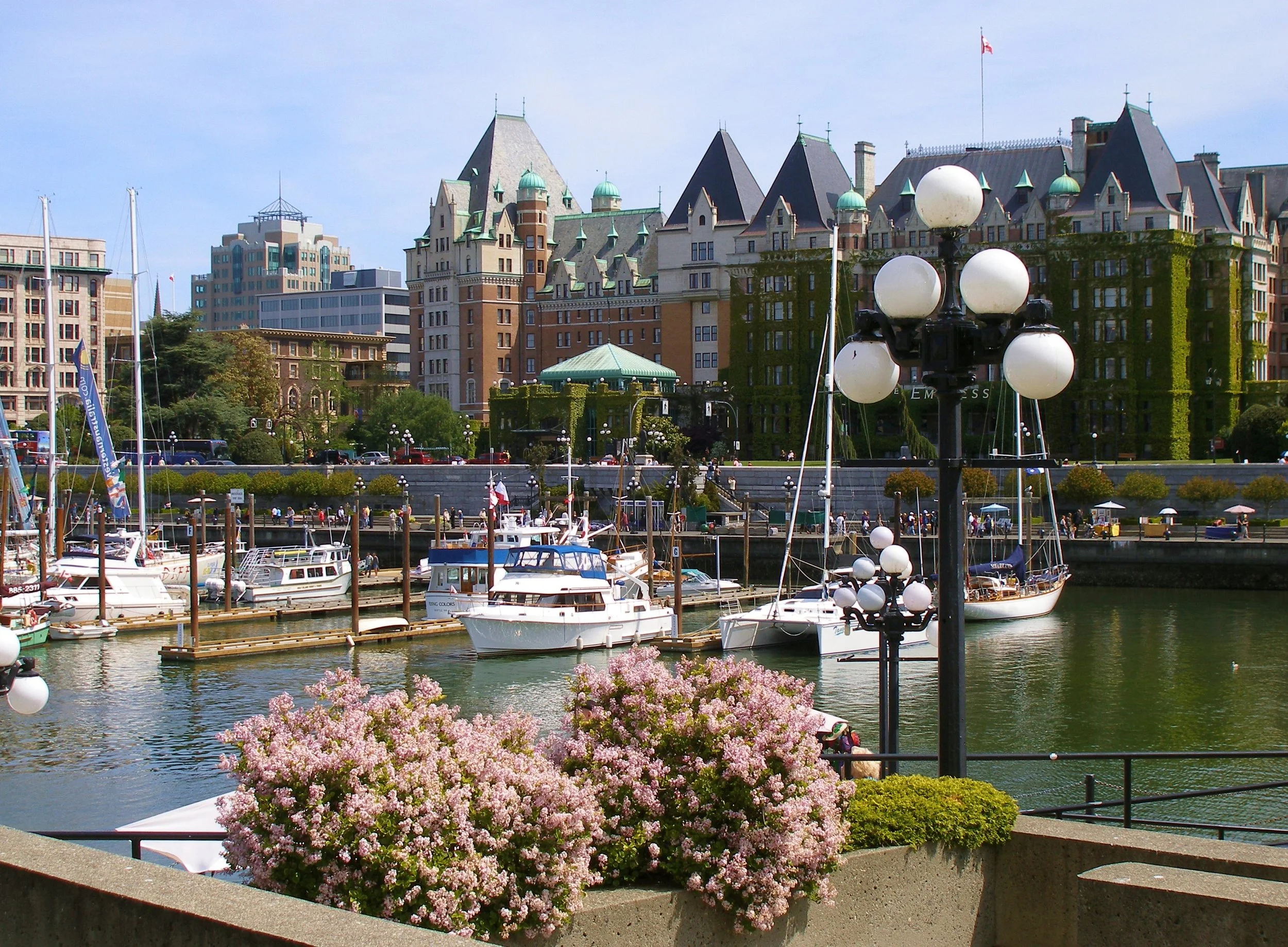
Vancouver Island Snapshot
According to Vancouver Island realtor Mike Doughty, 2025 revealed sharply different patterns depending on product type and submarket. “Sooke has 14 months of inventory, which compared to other markets with 4–6 months is slow,” he says. “Prices are going down more in Sooke — we’re seeing discounts of $50,000 or more!”
Indeed, recent statistics from the Victoria Real Estate Board (VREB) show that areas like Malahat/Sooke are among the slowest segments across Greater Victoria, with the average detached home sale price in Sooke down nearly 4% year-over-year as of October 2025. Sellers in outlying areas like Sooke are receiving only 95–96% of their original asking prices on average — versus 98–99% in the Victoria core. For buyers? That means ample inventory, bargaining power, and a realistic shot at negotiating steep reductions — especially on listings that have been sitting.
In contrast, Doughty says that lakeside properties across Vancouver Island remain resilient. “All the lakes are holding their value,” he notes. “Inventory is low and demand is high.” That’s supported by data from the Vancouver Island Real Estate Board (VIREB): while rural sales volume has slowed in some places, benchmark prices in lake-adjacent communities like Cowichan Valley actually rose by ~5% year-over-year in October 2025, and sellers were still achieving nearly full list price. Even with longer time on market in rural zones, lifestyle demand for lakefront and vacation-style properties appears to be anchoring values.
Doughty also points out that the condo market is sluggish across the board. “Condos everywhere on the island are slow right now,” he says bluntly. And the data backs him up: in October, VIREB reported just 69 apartment condo sales across the entire Island — a 13% drop year-over-year — while listings grew to over 360 active units. Similarly, in Victoria, condo sales dropped 36% in November 2025 versus the same month last year. While benchmark condo prices are holding steady for now (Victoria’s edged up just 0.6% YoY), listings are sitting longer and buyers have the upper hand.
The takeaway from Doughty’s perspective: “If you’re looking at Sooke, don’t be afraid to negotiate. If it’s a lake property, act fast if it’s priced right — those still go quickly. And if it’s a condo? Take your time — there’s no rush, and lots of choice.”
Final Thoughts:
As we wrap up this multi-market tour, a clear theme emerges: patience and prudence paid off for buyers in 2025, and 2026 will continue to reward those who do their homework. Each submarket – be it a downtown condo or a suburban family home – has its own micro-dynamics, but all share the broader context of an interest-rate driven slowdown that created pockets of opportunity. The realtors we spoke with all stress niche expertise and data-driven decisions. Whether it’s Keith Roy advising Westside buyers to seek “irreplaceable” properties, or Alex Dunbar highlighting a specific 5-10% price gap between neighbouring towns, the message is to focus on the specifics that matter.
For home buyers heading into 2026, here are a few universal takeaways from the experts:
Don’t be guided by headlines alone. Media may generalize about “the market down X%”, but as our experts note, average price is a lagging indicator. Look at real, recent comparable sales in the exact area and product type you’re after. The deal of the year might be hiding in plain sight while news reports still sound gloomy.
Leverage your negotiating power, but stay fair. In most markets now, you can negotiate within reason. A good agent will help you understand when a low offer is warranted and when a listing is already a bargain.
Think long term and quality. If you plan to hold the property for 5+ years, short-term fluctuations matter less. It becomes more about buying a home that will stand the test of time. As Roy puts it, “you make all your money in real estate when you buy” – meaning choose a solid property (good location, unique features, sound condition) and it will reward you later. Don’t compromise on your core criteria just to save a few thousand dollars.
Be mindful of new rules and risks. The landscape is changing – zoning changes in Vancouver allowing multiplexes, government policies still in place like the anti-flipping tax, and potential future moves (one hot topic Keith Roy touched on is the Indigenous land title discussions, which he views as a serious issue for property rights down the road). While these big-picture factors shouldn’t paralyze you, staying informed will help you make better decisions about where and what to buy.
Finally, it’s worth echoing James Robinson’s optimistic note tempered with realism: “There’s a lot of pent-up demand… and when things change, they can change in a hurry”. The Greater Vancouver housing market is down but not out. Buyers in 2026 have a prime opportunity to get in when others are apprehensive. The window of a buyer’s market may gradually start to close if conditions improve, so doing your due diligence now – and being ready to act – could make 2026 the year you secure your home (and maybe a great deal on it).
Happy home hunting and make sure to engage a realtor who lives and breathes your desired neighbourhood, property-type, and desired lifestyle you plan to level up into.
BOTTOM LINE
2026 is shaping up as a rare window where patient, prepared buyers hold most of the cards before the renewal wave and pent-up demand fully kick in. If you focus on the right micro-market, buy a quality home you’d be proud to hold for 5–10 years, and lean on specialists who know the landmines street by street, you’re more likely to look back on this period as the moment you quietly bought at (or near) the bottom while everyone else was frozen on the sidelines.
Level Up Mortgages is a mortgage broker team focused on helping the self employed, new immigrants, non-residents, and investors, access best rate and alternative lending in Canada. We have been nominated for best up and coming broker in Canada in 2021 and have been on CTV News and various publications because of our education-first approach to helping you always stay a step ahead of the process. Reach out to us for access to our first-time buyer course or a mortgage strategy session.
See What You Qualify For Or Contact Paul To Get Your Pre-Approval.
Paul Davidescu (www.levelupmortgages.com)
Level Up Mortgages
604-809-3188
paul(at)levelupmortgages.com
See Our Google Reviews in BC & Ontario: bit.ly/GoogleReviewLUM ⭐️⭐️⭐️⭐️⭐️