
Toronto Housing Market 2025 Wrap-Up: What Buyers Need to Know Heading into 2026 - Insights From On-The-Ground Realtor Specialists
Double-click to edit...

It’s been an eventful year in the Greater Toronto Area (GTA) real estate scene. Sales have plunged to generational lows, prices have shifted, and wary buyers and sellers are locked in a standoff of expectations. To help data-savvy homebuyers make sense of it all, we’ve gathered insights from local Toronto realtors specializing in different niches – from downtown condos to suburban family homes. Their on-the-ground perspectives paint a conversational yet data-driven picture of what happened in 2025 and what to expect in 2026. We’ll start with the big-picture highlights of 2025, including a mortgage market update and macro trends like immigration and rentals. Then we’ll break down trends, price movements, inventory levels, and buyer behaviors in key submarkets: Downtown, Midtown & North Toronto, the East End, and the Markham/Stouffville/Richmond Hill area. Along the way, we’ll share direct quotes (and even a few candid “hot takes”) from the experts – Tom Storey (downtown condo specialist), Mark Arnstein (Midtown & North Toronto expert), and Ralph Ciancio (Markham/Stouffville/Richmond Hill) – to bring these market stories to life.
2025 Market Highlights
Mortgage and Interest Rate Update
In 2025, our team at Level Up Mortgages observed a shift in how and where people bought. Compared to 2024, many more affluent folks made their move into the market and took advantage of the new insured mortgage rules of having a down payment well below 20% for properties priced below $1.5 million. A large portion of them were Canadians living and working south of the border, taking advantage of the currency exchange rate and hedging their bets with the instability of the United States. Looking back to an even more dire 2024, it was a year we observed more people buying in secondary markets whereas this year of 2025, most of our transactions were back in the major urban centers.
Canada’s mortgage landscape is entering a critical phase. Over 750,000 mortgages are coming up for renewal in the last six months of 2025, with an additional 1.15 million scheduled for 2026 and 940,000 more in 2027. Many of these homeowners initially locked in at record-low rates. For example, the average 5-year fixed uninsured mortgage rate in July 2020 was just 2.36%, compared to 3.95% in July 2025 — a 67% increase in carrying cost for those renewing into current rates.
The good news? After hitting multi-decade highs, rates have eased by 1.00% over the course of 2025, offering modest relief. Rate cuts may continue into 2026 if inflation trends remain favourable but as Scotia Bank predicts, they may even go up if the labour market remains resilient.
Despite this easing, some households are feeling the strain. In Q2 2025, Ontario saw a 44% year-over-year spike in mortgage delinquencies, though the actual rate remains low at 0.23% — close to the national average of 0.22%. Toronto mirrored the trend at 0.24%, suggesting growing but still manageable stress levels in major markets.
With a surge of renewals on the horizon, 2026 will be a critical year for rate-watchers, as even small shifts in borrowing costs could have outsized effects on budgets and market activity.
Macroeconomic Factors: Immigration, Foreign Buyers, and Rentals
Several big-picture forces also shaped Toronto’s housing story in 2025. Immigration remained a double-edged sword. On one hand, Canada continues to welcome a huge number of newcomers – nearly 395,000 new permanent residents in 2025 per federal targets – which is a long-term driver of housing demand. The GTA, as usual, attracted a large share of these immigrants. On the other hand, the federal government moved to drastically cut temporary resident inflows, especially international students and foreign workers, to ease pressure on infrastructure and housing. The impact was striking: 60% fewer new international students arrived in Canada in the first three quarters of 2025 compared to the same period in 2024 (about 150,000 fewer students). After years of explosive growth, the number of study permit holders actually fell in 2025. Many colleges and universities felt the pinch – and so did the rental market in student-heavy areas. As RBC Economics noted, these reduced inflows had “significant effects on Canada’s rental markets – particularly in areas with a high concentration of students”, cooling demand for rentals and relieving some upward pressure on rents.”

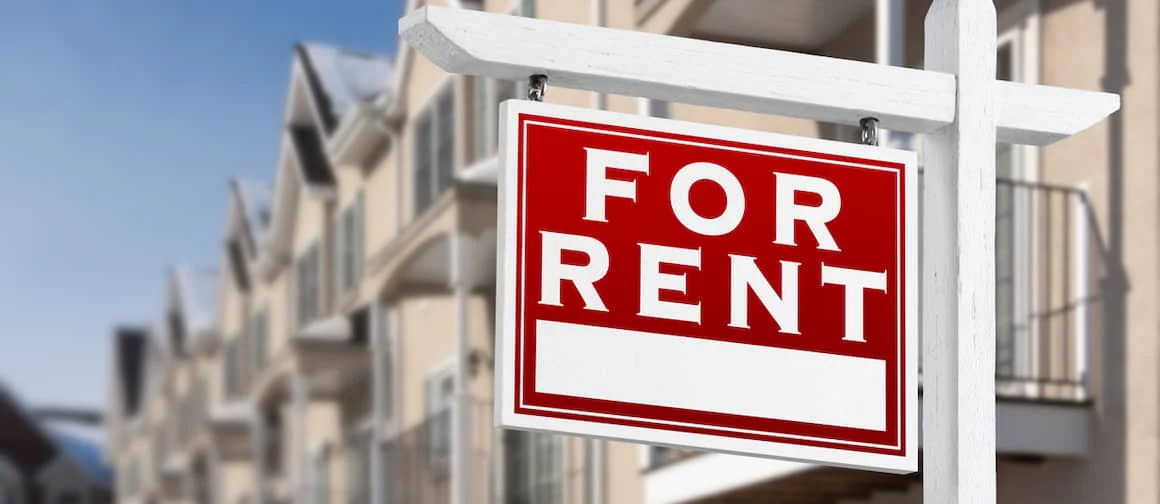
Indeed, Toronto’s rental market showed tentative signs of relief by late 2025. After two years of surging rents (2021–2022) and record-low vacancy rates, more balance is emerging. According to Statistics Canada, the average asking rent for a 2-bedroom apartment in the Toronto CMA was $2,720 in Q3 2025, down 3.9% from a year earlier. This was the first annual rent decline in Toronto in recent memory. The small dip in rents was attributed to rising supply (a wave of new rental apartments and condos hitting the market) and a dip in non-permanent residents (fewer new students/workers looking for housing. While renting in Toronto is still expensive – $2,720 for a 2-bedroom isn’t exactly cheap – the fever pitch has broken. Renters in late 2025 finally had a bit more bargaining power, and landlords found they couldn’t keep hiking rents without seeing tenants walk away or new supply undercut them. The vacancy rate, though still low, inched up toward more normal levels (approaching 3% in some pockets, from barely 1% a year prior). Overall, the rental market remains tight by historical standards (high immigration and low home affordability keep demand strong), but 2025 marked the first time in years that rents flattened or even fell slightly instead of relentlessly rising.
Policy also played a role. The federal foreign-buyer ban that took effect in 2023 (prohibiting most non-resident foreigners from buying homes) was extended in early 2024 for another two years, ensuring it remained in force throughout 2025–2026. While foreign investment in Toronto real estate had already cooled substantially after Ontario’s 20% non-resident speculation tax and the pandemic, the extended ban kept a tight lid on any rebound in overseas buying. Local realtors observed that the ban had more psychological effect than practical – it signaled that policymakers are serious about tamping down speculative demand. By 2025, the market was being driven almost entirely by domestic fundamentals (local buyers, investors, and immigrants already in Canada) rather than foreign capital.
Lastly, the broader economic backdrop cannot be ignored. The GTA job market remained reasonably solid in 2025, and unemployment stayed relatively low. This helped prevent any forced selling en masse. However, consumer confidence in housing was shaky. Media headlines oscillated between doom-and-gloom (recession fears, housing “bubbles” deflating) and guarded optimism (a potential end to rate hikes). The result? Many buyers and sellers opted to wait – wait for spring, wait for rates to fall, wait for clearer signs of a bottom. As Mark Arnstein succinctly put it quipped, people in 2025 were “like deer in headlights” – frozen by mixed signals and monthly fluctuations. This pervasive wait-and-see attitude contributed to the low sales volumes.
With that big-picture context in mind, let’s dive into how each region of Toronto and the GTA performed in 2025, and what trends are on the horizon for 2026.
Downtown Toronto (Core & Condo Market)
Buyers’ Market Emerges as Sales Slump and Inventory Builds

Sales Slump and Record Rentals: 2025 will go down as a slow year for resale transactions. In fact, Toronto is on track for the lowest number of home sales since 2003, according to Storey. With many buyers on the sidelines, inventory gradually built up in many segments – tilting the market in buyers’ favor, especially for condos. However, people still need somewhere to live: rental activity exploded even as purchases slowed. “We’ve had more leases than we’ve ever had before in the history [of Toronto]… total transactions were actually the same as 2021, just they’ve completely shifted from sales to leases,” Storey explains. In other words, 2025 saw many would-be buyers choosing to rent as they waited for market clarity. The need for housing hasn’t changed, but confidence took a hit. By late 2025, though, realtors report that sales volumes may have bottomed out and even begun ticking up in certain segments. Well-priced listings that had languished in the summer started to attract offers in the fall. This late-year uptick, combined with the massive lease activity, suggests a lot of pent-up demand that could translate into purchases in 2026 once conditions feel right.
Condo Market Bifurcation – Small Units Struggle, Larger Units Resilient: The condo sector experienced the most notable price pressure in 2025. Entry-level investor-type condos – think small one-bedroom units without parking – saw demand dry up and prices slide. These units, often bought by investors and traded among investors in the past, suddenly have “no end-user buyer” in the current market. As Storey puts it, many buyers with a $500,000 budget today would rather “spend a little bit more to get… a decent one-bed maybe with a parking spot in a building [they] want to be in,” than scoop up the tiniest condo available. With so many of those investor-held micros flooding the resale market, they’re competing with each other and driving prices down. In contrast, larger condos are holding up much better. Two-bedroom units (especially 2-bed + den condos with parking priced under ~$800K) are still seeing solid demand and even multiple offers. “Those ones are moving,” Storey notes – his team had two bids on a two-bed listing after just three days on market. In fact, two-bedroom condos now make up the bulk of downtown sales, but the smaller one-bedrooms “get all the news headlines” and skew public perception. The reality is that well-priced livable condos are selling every day, while shoebox units continue to languish unless deeply discounted. Overall, condo prices in Toronto are off their peak (some downtown units are down on the order of ~15–20% from 2022 highs, based on anecdotal examples), essentially rolling back values by a few years.
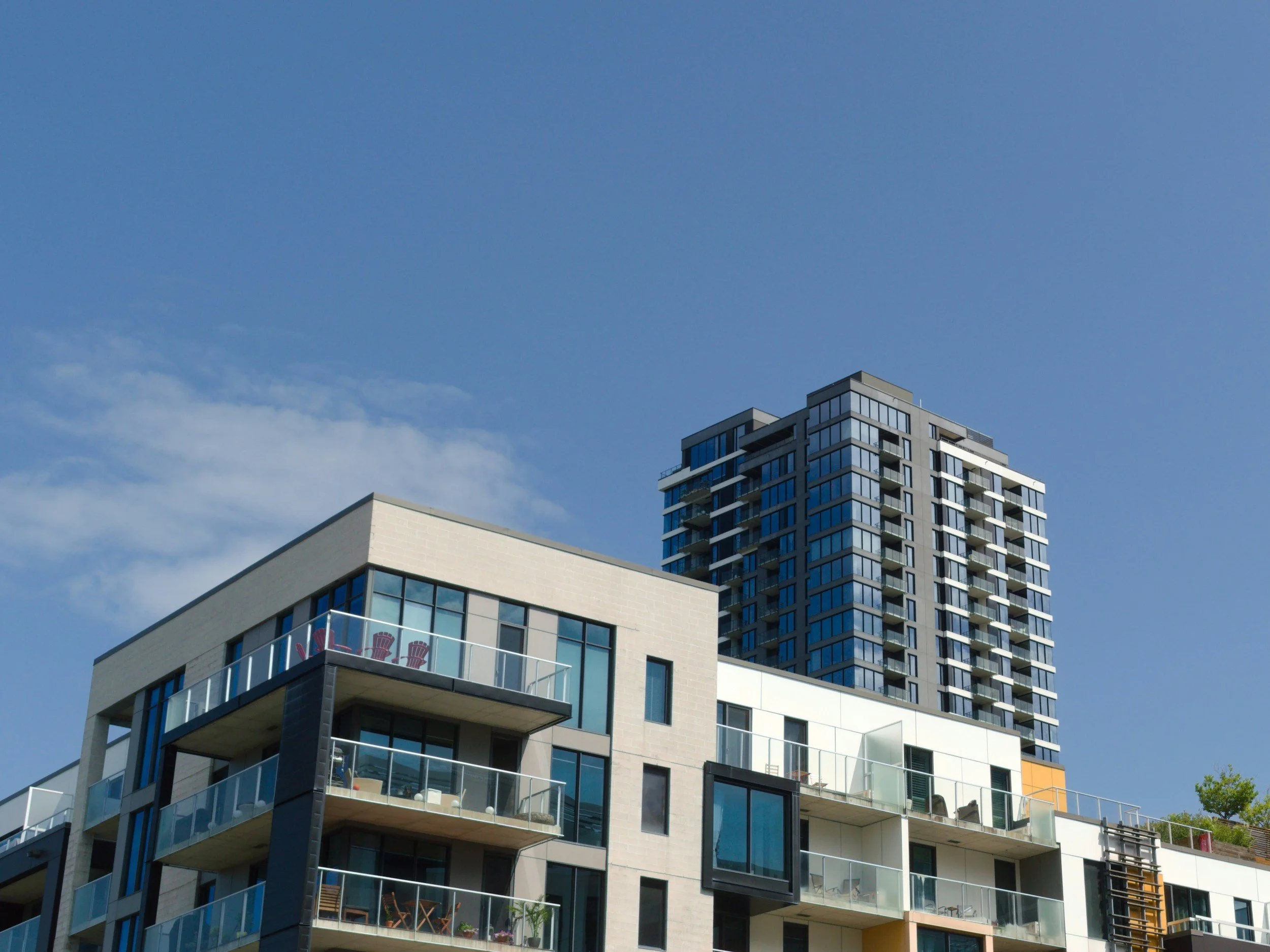
Investors Retreat, End-Users Dominate Resale: A major theme of 2025 has been the retreat of the small condo investor. “The mom-and-pop investors that used to be arguably 25–50% of the market do not exist” right now, Storey observes. Faced with high interest rates and eroding returns, investors largely stopped buying downtown condos in 2025 – many shifted focus to multi-family or commercial opportunities instead. Yet ironically, investor-owned units made up a huge portion of the listings. Storey estimates that more than half of the condos for sale this year were “inventory, bought by investors for investors, made to rent out. Most end users have no interest in it”. This dynamic created a glut in certain condo buildings. Newly completed towers in particular, which were largely sold to investors pre-construction, saw waves of listings as those investors tried to offload units that no longer cash-flow. “I don’t like selling in most new buildings,” Storey admits, “because they were only sold to investors and they’re 90% rented out… I wouldn’t want to own in those buildings if I’m going to live there”. In such investor-heavy buildings, dozens of similar units ended up competing for the few buyer occupants around, forcing prices downward. The sweet spot, Storey advises, is often a slightly older condo: buildings 5–15 years old tend to have a more balanced mix of owners vs. renters and a track record of maintenance, making them attractive options in this market. By targeting these buildings (instead of this year’s brand-new investor towers), end-user buyers can avoid some of the price competition and uncertainty. The bottom line is that 2025’s resale market has largely been driven by end-users – people buying homes to live in for the long term – while short-term investors have largely exited the stage for now.
Buyer Psychology Shift – From FOMO to Long-Term Planning: In the frenzy of 2021–2022, many buyers were driven by FOMO and investment mindset – even end-users expected quick equity gains. That psychology has undergone a notable shift. “Previous years’ conversations, you’d sit down with a new buyer and they’d say, I want to make this much money on it in X years,” Storey recalls. Now, “most buyers coming to the table... they’re like, hey, I’ve been renting for the last decade. I’ve decided now is the time to get into the market. I’m sick of paying rent”. These buyers are realizing that homeownership is a long game. They’re often committing to hold the property for at least 5-10 years, not expecting any immediate windfall. “It would be nice if it went up in value, but that’s not why I’m buying it,” one buyer told Storey – a sentiment he’s hearing more frequently now. Patience is the new mantra. Even some sellers have adopted a wait-it-out approach: in higher-end segments, owners who aren’t forced to sell would rather hold or rent their property than accept a disappointing price in a soft market. The result of this mindset shift is a slower pace, but arguably a healthier dynamic – people transacting for life needs rather than speculative gains. Arnstein notes that buyers have become very picky about distinguishing true needs vs. wants; with more options on the market, they won’t settle for a home that isn’t a fit, and they’ll negotiate hard on anything less than “move-in ready.” Overall, confidence is slowly returning, but it’s cautious. Macro uncertainties – like talk of a Canada–US trade deal and tariffs – also weighed on sentiment in 2025. “Older generations... that’s all they’re fixated on,” says Storey, referring to negative news headlines and political uncertainty that made some buyers feel like deer in headlights. Going into 2026, buyer sentiment is expected to improve gradually if interest rates stabilize and economic news calms down, but nobody is predicting a return to 2021-style exuberance.

Opportunities for First-Time Buyers: The silver lining of 2025’s cooldown is that it cracked open a door that had long been shut: entry-level buyers finally have a shot. With bidding wars going silent and prices down from peak, many young professionals and couples who spent years renting are stepping into the market. “People with more average income jobs are actually getting into the market because it’s starting to make sense – prices are coming down,” one Vancouver agent noted of a similar trend. The same is happening in Toronto: by late 2025, we saw an uptick in first-time buyers purchasing condos and townhomes, especially in areas outside the downtown core. Arnstein and Storey both observed that for those who can qualify, the buy vs. rent calculation is looking far more favorable. Storey’s team ran the numbers: even with a 15% down payment, owning a condo can be only about $500 more per month than renting it – and that gap shrinks when you factor in that a chunk of the mortgage payment goes toward principal (forced savings). In short, the cost of waiting became greater than the cost of buying for many tired renters. By Fall 2025, the narrative shifted from “wait for a crash” to “time to get in and ride this out.” As one longtime renter-turned-buyer told Storey, “now is the time… I’m sick of paying rent”. Government incentives are also attempting to help – for instance, Ontario announced it will remove the provincial portion of HST on new homes for first-time buyers – but realtors are skeptical of the impact (after all, few first-timers want to wait 5+ years for a pre-construction condo to complete). The more meaningful factor for 2026 first-time buyers will likely be the ample choice and negotiating power they currently have in the resale market. For those with financing in hand, the coming year could offer the best buying conditions Toronto has seen in a decade: softer prices, motivated sellers, and the ability to do thorough due diligence without pressure.
2026 Outlook: Expect the Downtown Core to remain a buyer-friendly market in early 2026, especially for condos. With many investors on the sidelines, the downtown condo scene will be driven by end-users and longer-term investors looking for deals. Prices are likely to flatline at these adjusted levels for a while – Storey does not foresee condo values rising in the next “two or three years”, barring a major economic shift. This means 2026 could be an opportune window for buyers to carefully pick up quality downtown units without the pressure of rising prices. Inventory of condos may actually tighten a bit in 2026: the pipeline of new completions drops to ~18,000 units (almost half of 2025’s number), and many existing investors have already exited or decided to hold as rentals. If demand picks up even modestly (say, due to a small rate cut or simply pent-up buyers taking the plunge), the best units could start to get competitive again. However, don’t expect a return to 10-offer bidding frenzies downtown – buyers have the upper hand and that likely won’t change quickly. End-users should watch for stale listings: a condo that has sat for 60+ days might be ripe for a low offer, especially if it’s an investor seller who is paying carrying costs. There may be deals on small one-bedroom condos in particular – by early 2026 some could be selling at prices not seen since the mid-2010s, which could be attractive for first-time buyers or those looking for a pied-à-terre (just remember the limited resale appeal of these units). On the flip side, the move-up condo segment (large 2-3 bedroom units) might actually see a surge of demand if more young families decide to stay in the city rather than move to the suburbs; these buyers will jump on reasonably priced 2+den condos as a house alternative.
Downtown freeholds (townhouses, semis) will continue to be in very short supply If overall consumer confidence improves in 2026 (for example, if a Canada–US trade agreement eases economic anxieties), the downtown market could stabilize further and even modestly appreciate by late 2026. But the consensus is for a stable, flat market in the core: no dramatic drops left (barring a recession), and no rapid spikes on the horizon either.
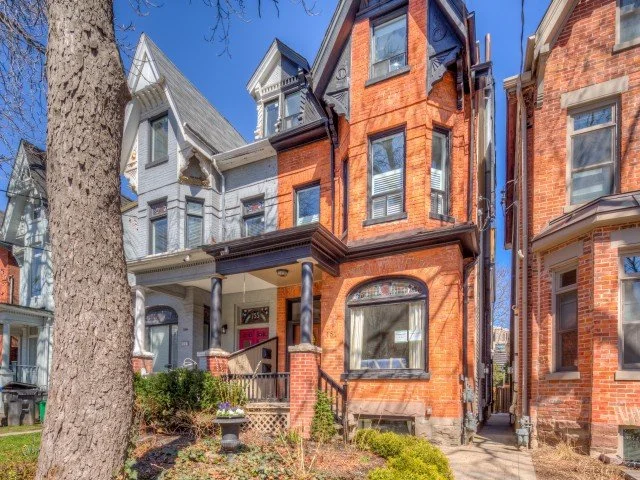
For downtown houses and townhomes, the outlook is a bit more stable – any well-located freehold listing downtown in the $1.2–$1.5M range will draw interest. Prices likely won’t fall much (supply is just so constrained), but nor will they spike in the short term. Buyers hunting for a freehold in the core in 2026 will enjoy more negotiating power than in the past – lowball offers might even be entertained if a property has sat for a while. Do keep an eye on new zoning changes: Toronto’s push for “missing middle” housing means you could see more duplexes, triplexes and fourplexes popping up in traditionally single-family neighborhoods. As in Vancouver, this could introduce some friction (for example, if you buy a house and an adjacent lot is redeveloped into a 4-plex, it might impact your sunlight, parking, etc.). It’s not a reason to avoid buying, but buyers should do their homework on nearby development and factor that into their decisions.
Bottom line: Downtown Toronto in 2026 offers breathing room for buyers unseen in years. If you’re a buyer eyeing the core, you can afford to be patient and picky – take the time to find a condo or house that checks your boxes, do your due diligence, and negotiate without the fear of losing out overnight. Prices are back to earth, and while they aren’t “cheap” by any stretch, the absence of frenzy means you might actually get a chance to buy at asking (or below) on a quality property. Investors should be cautious with downtown condos in the short term, but selective opportunities exist – for instance, a 10-year-old condo in a prime location can be bought at a discount now and should hold its value better than a cookie-cutter new build. For sellers in the downtown core, the advice is to be realistic on price and expect longer listing times. The good news is serious buyers are out there, and the fact that October 2025 saw record condo sales is evidence that the bottom of the market is likely in. Going into 2026, downtown real estate is shifting from a speculative sprint to a marathon – and that’s not a bad thing.
Midtown & North Toronto (Yonge Corridor Uptown)

What happened in 2025: The Midtown and North Toronto markets – spanning roughly from Yonge and Bloor up through neighborhoods like Lawrence Park, Yonge-Eglinton, North York, and into the Bayview/401 corridor – experienced a cooler but more balanced year compared to the downtown core. This zone is home to many family-friendly neighborhoods with good schools, as well as condo clusters around transit hubs. According to realtor Mark Arnstein, who specializes in North Toronto, the area “was still technically a seller’s market” in late 2025 by the numbers – he points out that housing supply stayed under 3 months of inventory, meaning if no new listings came on, everything available would sell out in under a quarter (a common threshold for seller’s vs buyer’s market). In other words, North Toronto didn’t see a flood of listings; many homeowners here chose not to sell into weakness. However, the pace of sales was lethargic and buyers were choosy, so in practice it felt more balanced or even soft in segments.
One key trend Arnstein notes is a split by price point. The mid-range of the market – roughly $1.2 million to $2 million – saw properties still moving briskly in North Toronto. Demand for detached and semi-detached houses in this bracket (think a 3-bedroom semi around $1.3M, or a smaller detached under $2M) remained fairly resilient, as there are always families looking to get into these coveted neighborhoods. In contrast, the luxury segment above $2M slowed dramatically. Homes asking $3M in North Toronto (for instance, a newly built house in Lawrence Park) often sat with few showings, unless the seller slashed the price. Affluent buyers at that level had the option to wait – or to bargain hard. Many high-end sellers refused to budge much on price, so what we got was a stalemate and low transaction volume. As Arnstein puts it, owners of expensive homes in these areas often have substantial equity or no mortgage, so they can “wait it out” rather than sell for a discount (a similar dynamic to wealthy West Vancouver owners, as mentioned earlier). Thus, prices for North Toronto’s prime detached homes stayed relatively flat on paper, but very few deals were happening. Sellers who needed to sell had to get realistic (some quiet price reductions of ~5-10% did occur on individual listings).
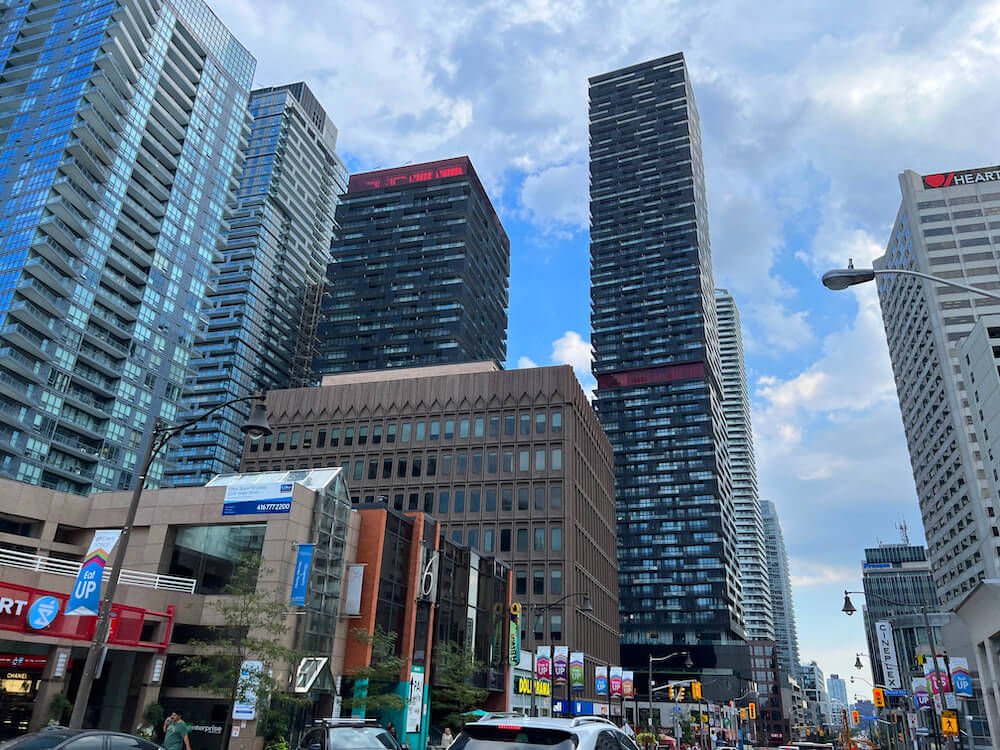
The condo scene in Midtown (especially around Yonge-Eglinton, Yonge-Sheppard, and along the subway line) also hit a soft patch. Arnstein observes there is an oversupply of certain unit types – “Too much 1-bedroom + den for condos,” he says of the midtown condo stock. Over the past decade, developers in areas like Yonge & Eg built lots of small units targeting investors or first-time buyers. By 2025, that segment was struggling: many of those 1+den condos sat empty or were leased out at yields that no longer covered today’s higher mortgage costs. Investors vanished from this market, and end-user buyers were more interested in larger units. So, similar to downtown, the generic small condos in Midtown saw prices weaken and listings linger. Arnstein expects the condo market here “will bounce back for a good sell in 5-6 years” – implying that current buyers of these units might need to wait several years to see strong appreciation again. In the meantime, buyers remained picky. “Buyers are still very picky on needs vs wants,” Arnstein notes – they will pass on units (or houses) that don’t check enough boxes, knowing they have options.
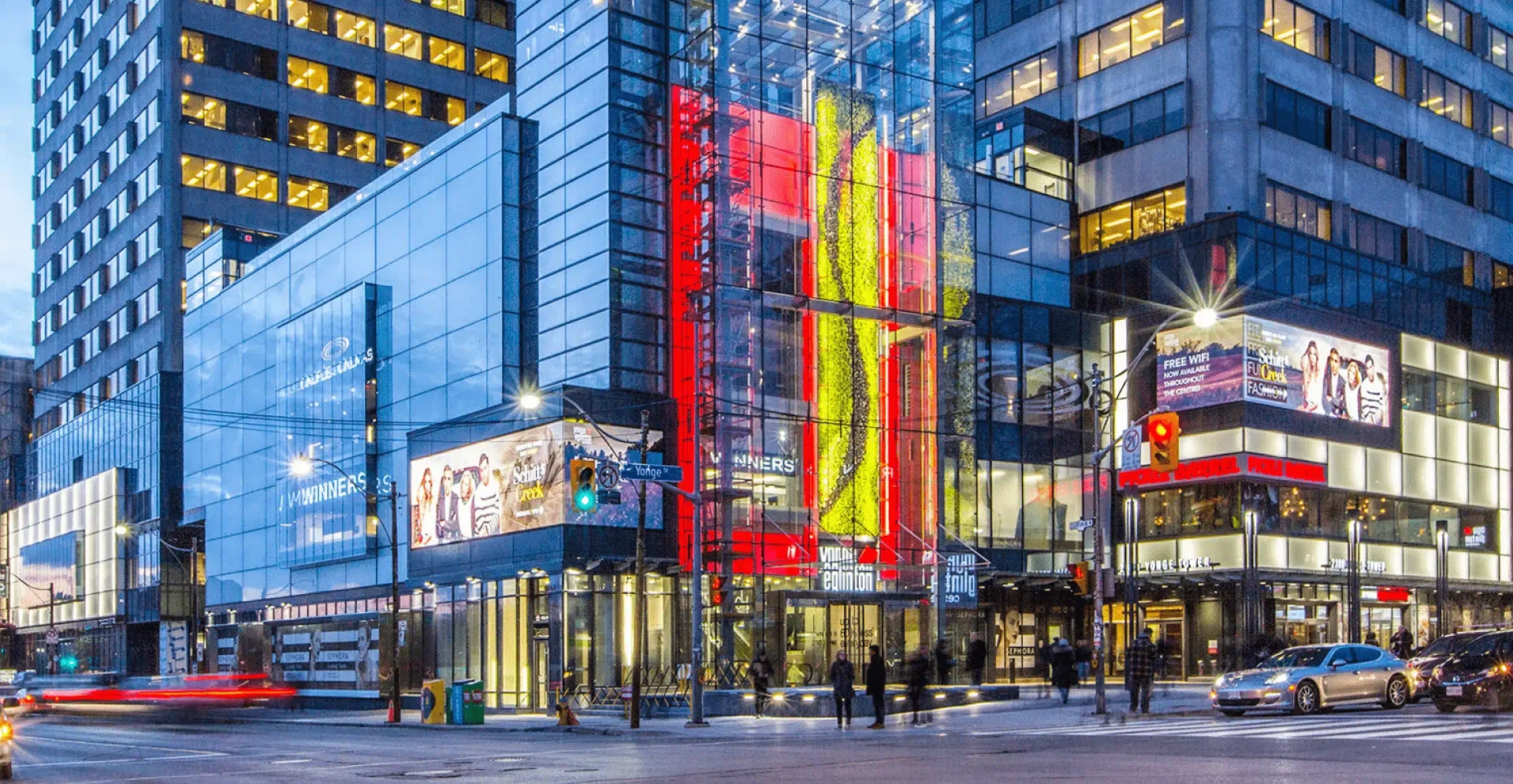
Despite the lukewarm market, North Toronto’s inherent strengths shone through. This area boasts some of the top high schools in the city (like Lawrence Park Collegiate, Northern Secondary, etc.), which kept family demand steady. Transit access is another plus: the Yonge subway line runs through the heart of Midtown/North Toronto, and the long-awaited Eglinton Crosstown LRT (Metrolinx’s light rail) is set to fully open, enhancing east-west transit. These factors mean the area remains highly desirable for many buyers, even if 2025’s market was slow. Many families used the slower market to “upgrade” within the area – for example, selling a condo or smaller house and moving up to a larger home with less competition. One trend was existing local homeowners upsizing (taking advantage of softer prices at the high-end); another was renters or first-time buyers finally seeing a chance to buy without crazed bidding wars.
2026 Outlook for Midtown/North: This submarket is poised for a relatively healthy rebound once overall conditions improve. It didn’t get as overbuilt as the downtown condo market, nor is it as interest-rate sensitive as the far suburbs, so it could be among the first to stabilize. The opening of the Eglinton Crosstown LRT (expected to be fully operational by 2026) is a big deal for Midtown. As Arnstein predicts, the Yonge-Eglinton area will thrive thanks to improved transit connectivity and all the amenities added in recent years. Neighbourhoods along the new line (Mount Pleasant West, Leaside, etc.) could see a boost in buyer interest.
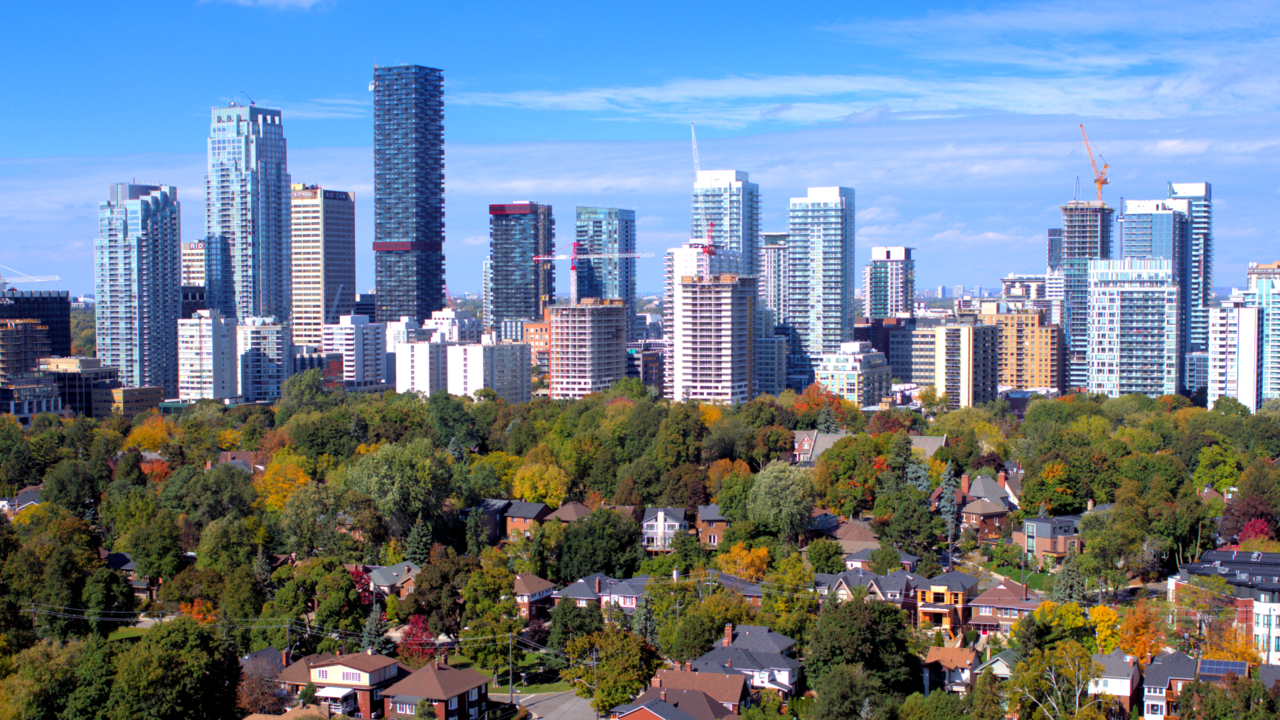
In North Toronto’s housing market, supply will likely remain tight. There’s limited new construction (most lots already have homes), and many owners will continue holding unless motivated by life changes. This suggests that if demand tickles up even modestly (say, due to a small rate drop), prices for North Toronto houses could actually start inching up again in late 2026. Don’t expect a rapid spike, but a return to gentle price growth is plausible by year-end. Until then, prices might stay roughly flat – which, in real terms (after inflation), means buyers are getting a slight bargain now.
One piece of advice for buyers here: think long-term. If your goal is to settle in these family neighborhoods, it can pay to stretch a bit now to buy a home you can grow into, rather than one you’ll outgrow. As Mark Arnstein quips, “Buy the house you can grow into vs the house you can grow out of,” given how costly moving is (land transfer taxes, commissions, etc.). With prices softer and lots of choice, 2025–26 is a great window to secure that “forever home” in North Toronto if you can manage it. It might cost a bit more upfront, but you won’t be scrambling to upgrade again in a couple of years. Arnstein also mentions that each month the market has felt different – almost like everyone’s waiting for a signal. Once confidence returns (be it from lower rates or simply buyer fatigue of waiting), things here could heat up quickly. So buyers should be ready to act when they find the right home.
Bottom line for Midtown/North: The fundamentals (schools, transit, community) remain rock solid. The market is more balanced than it has been in years, which is a golden opportunity for buyers who were getting squeezed out before. Use the leverage you have now – negotiate conditions, get that home inspection, etc. – because in a tighter market, those advantages disappear. And if you’re a seller in this area, 2026 might start to bring better days, but make sure to price right and present your home well; today’s buyers won’t overpay unless they see real value.
East End Toronto (East Toronto & Scarborough)
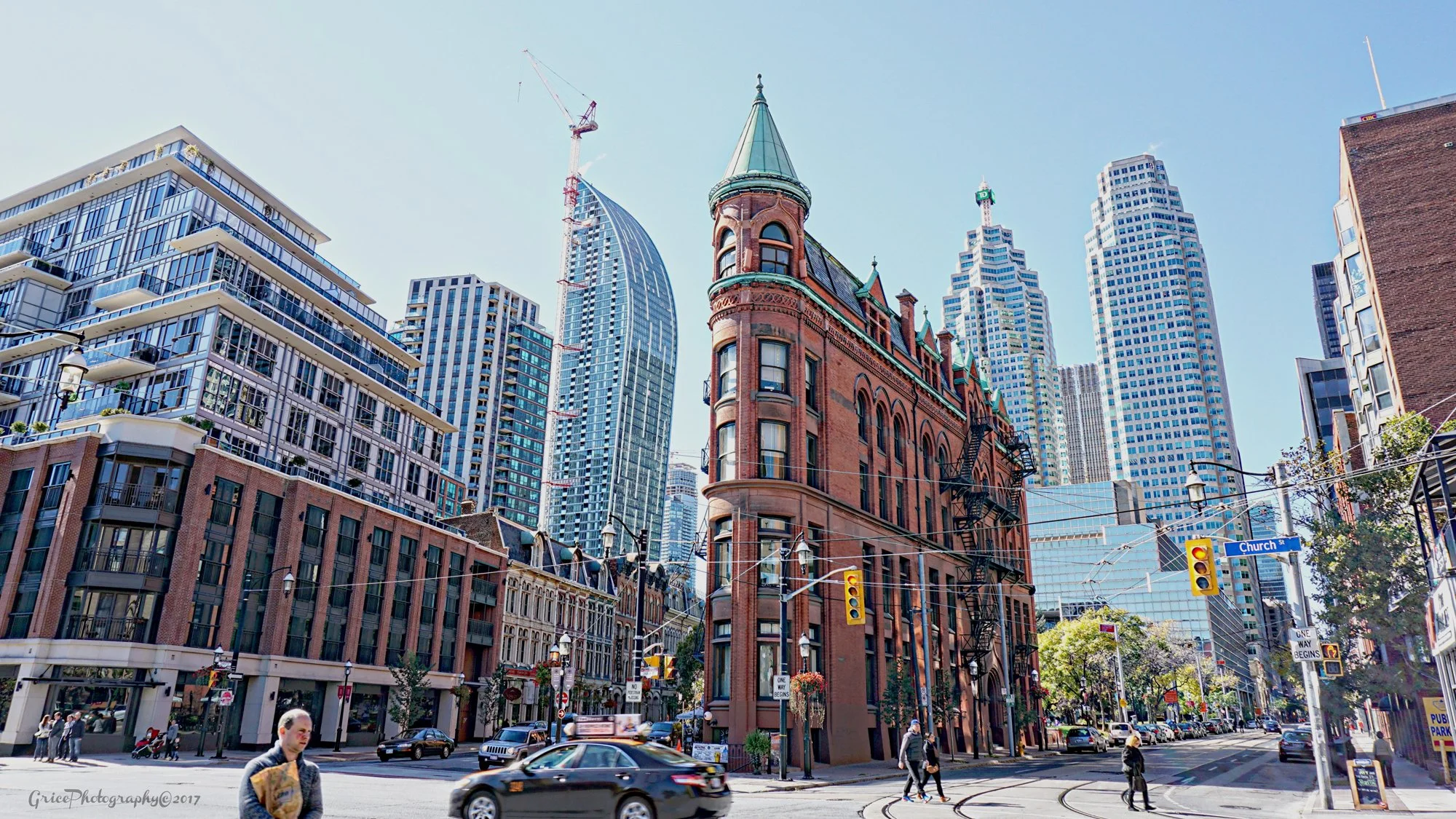
What happened in 2025: Toronto’s East End encompasses a diverse range of neighborhoods – from trendy Leslieville and The Beaches in the south, to family-oriented Danforth East York, and further into parts of Scarborough to the east. In 2025, the East End market cooled along with the rest of the city, but it showed some resilience in low-rise housing and signs of equilibrium by year-end. Early in 2025, sales activity here dropped significantly (many months saw double-digit sales declines year-over-year), and inventory of listings crept up, especially for condos and higher-end homes. But by the fall, it appeared that the East End was reaching a new balance: “Markham’s Q4 real estate market is in a state of equilibrium, with slower sales and increasing inventory offsetting slight price declines,” says realtor Ralph Ciancio of nearby York Region – a description that largely fits many East Toronto communities as well. In other words, the market wasn’t in free-fall; it was leveling out at a cooler tempo.
Let’s break it down by property type. Entry-level houses (the classic post-war bungalows, semis, and rowhouses in East York, Leslieville, etc.) became more attainable for the first time in ages. With less competition, prices for some of these homes rolled back a bit, and buyers could negotiate below asking in many cases. For instance, a fixer-upper bungalow in East York that might have fetched $1.1M in 2022 could be snagged in the $900s in late 2025. Such opportunities hadn’t existed for quite some time. First-time buyers with family help zeroed in on these areas, attracted by slightly softer prices and the prospect of actual choice (imagine being able to view a house without 50 people in line at the open house!). By summer 2025, it was not uncommon to see listings sit for a few weeks and then sell conditional on financing – virtually unheard of during the pandemic boom. This return of conditional offers and more measured pace was a breath of fresh air for regular folks trying to enter the market.
In Leslieville and The Beaches, known for their vibrant community vibe, demand held up relatively well. These trendy areas have limited supply (they’re small, dense neighborhoods) and devoted buyers. While sales volume dipped here too, prices only edged down slightly. Well-renovated homes in prime pockets still attracted interest, though buyers had the upper hand in negotiations. The condo market in the East End (which is smaller, but includes some mid-rise projects and new condos around Danforth and Scarborough) saw price softness similar to elsewhere. Investors were scarce, and units often needed price cuts to move.
Heading into Scarborough, the story was mixed. Scarborough spans everything from inner-city apartments to suburban-style homes. The family-friendly districts (like those near good schools or transit) saw steady interest, especially as some buyers priced out of central Toronto looked farther east for value. But overall, Scarborough had a higher proportion of forced sellers – those who needed to sell due to moving or financial reasons – and thus we did see some notable price reductions in 2025. Certain pockets (condo-townhouse complexes, older high-rises) experienced a bit of a price correction as supply outweighed demand. Still, by the end of 2025, even Scarborough’s market showed hints of stabilizing. The increase in inventory was slowing, and buyers were starting to pick up some of the discounted options.
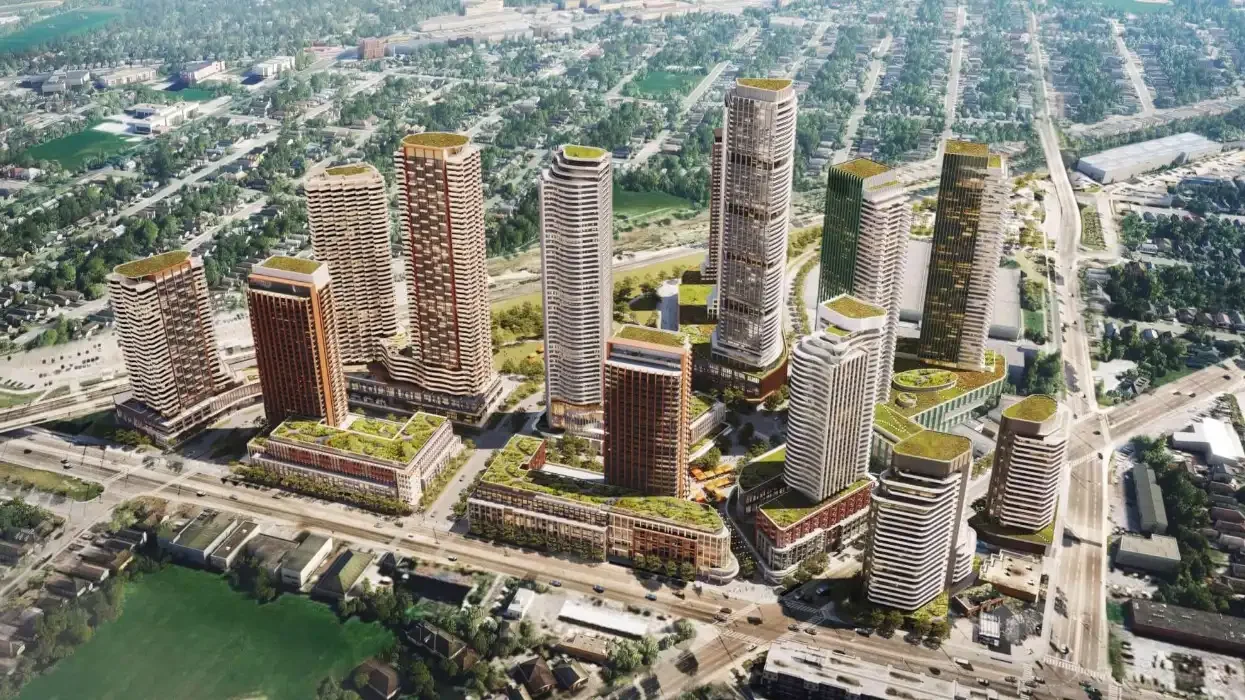
Anecdotally, one East End agent mentioned 2025 was the year where move-up buyers re-entered. People who owned a condo or small starter home in the East End finally had a chance to upgrade to a larger house without insane bidding wars. This “housing ladder” movement had been frozen in 2021–22 (because selling your condo was hard and buying a house was even harder then), but in 2025 the ladder thawed. As more move-up buyers listed their condos, that added to condo inventory – but many successfully sold and up-sized locally, taking advantage of the softer conditions on both sides of their sale and purchase.
2026 Outlook for East End: The East End is expected to remain a bit of a Goldilocks market – not too hot, not too cold. It likely won’t see drastic price swings in 2026. If interest rates dip, we might see a modest uptick in demand since East Toronto offers comparatively better value for money than the West/North. Immigration could particularly benefit this area: many newcomer families often settle in East Toronto and Scarborough due to relatively lower housing costs and established communities. With Canada still bringing in near-record permanent residents, parts of Scarborough and East York will see continued housing demand from that segment.
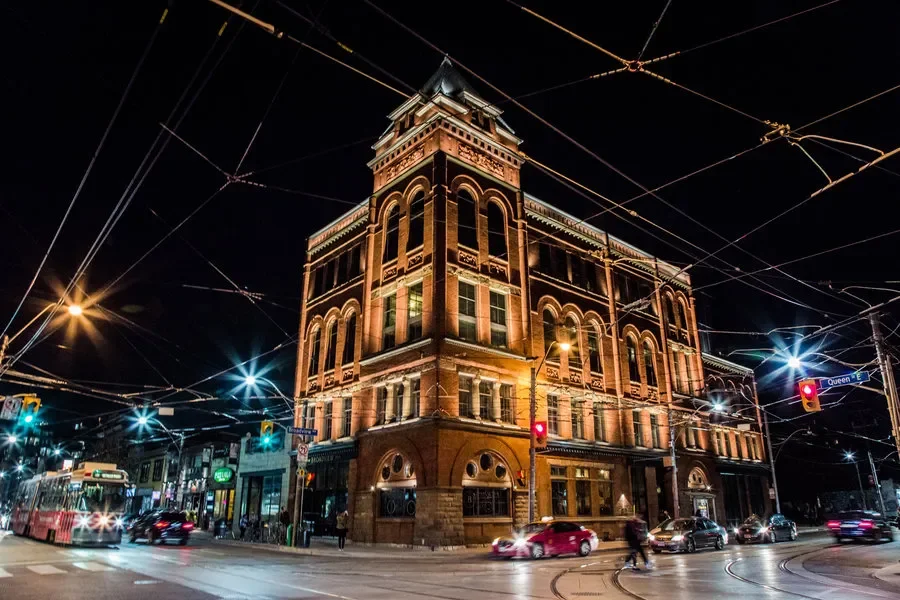
One thing to watch is transit improvements. The planned Ontario Line (subway) will run through the East (from downtown through Riverside/Leslieville up to the Science Centre at Don Mills). Though it won’t be completed until late this decade, the anticipation of it could start influencing buyer choices by 2026–27. Neighborhoods along the future line (like Leslieville south of Gerrard, and Thorncliffe Park) may start getting more investor and first-time buyer attention, betting on future connectivity.
For rentals, East End has a lot of secondary rental stock (basement apartments, etc.), and with the student numbers down, renters might find slightly easier conditions especially in areas near centennial college/UofT Scarborough, etc. But high immigration will likely keep many East end rentals filled.
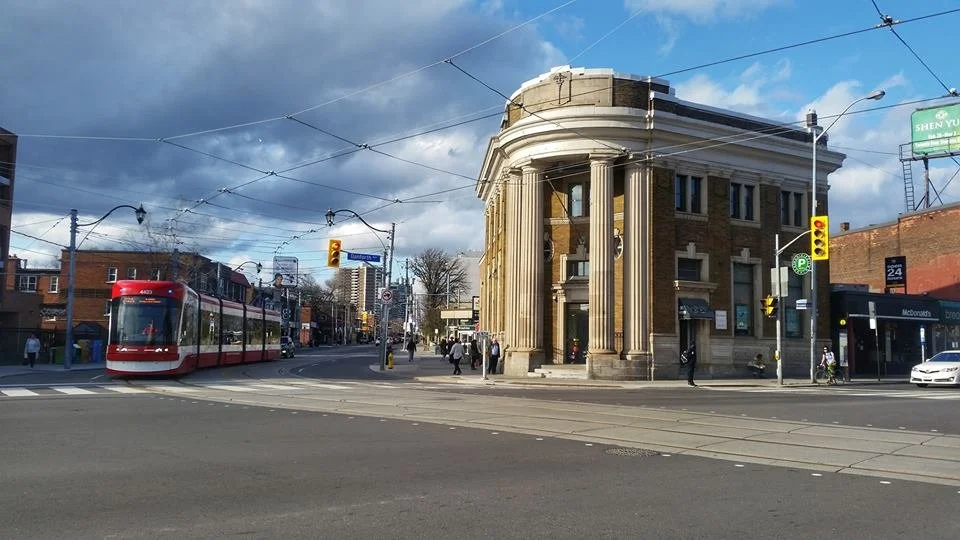
All told, 2026 in the East End should be a time of relative affordability and opportunity. Buyers can likely still find homes without intense bidding. Prices are near their floor; any further drops will probably be small. Yet the long-term trajectory (given Toronto’s growth and limited land) is upward. It’s a window where savvy buyers might secure a family home in a great East End community at a reasonable price, something almost unthinkable a few years back. If you are aiming to “move up” from a condo to a house, the gap is more manageable now, and 2026 could be your chance before the market eventually tightens. As one agent analogized about these balanced markets: it’s like a compressed spring – “a bit tense and coiled now, but with the potential to bounce back once the pressure eases.” In the East End, that spring could start uncoiling by late 2026.
Markham, Stouffville & Richmond Hill (York Region Suburbs)
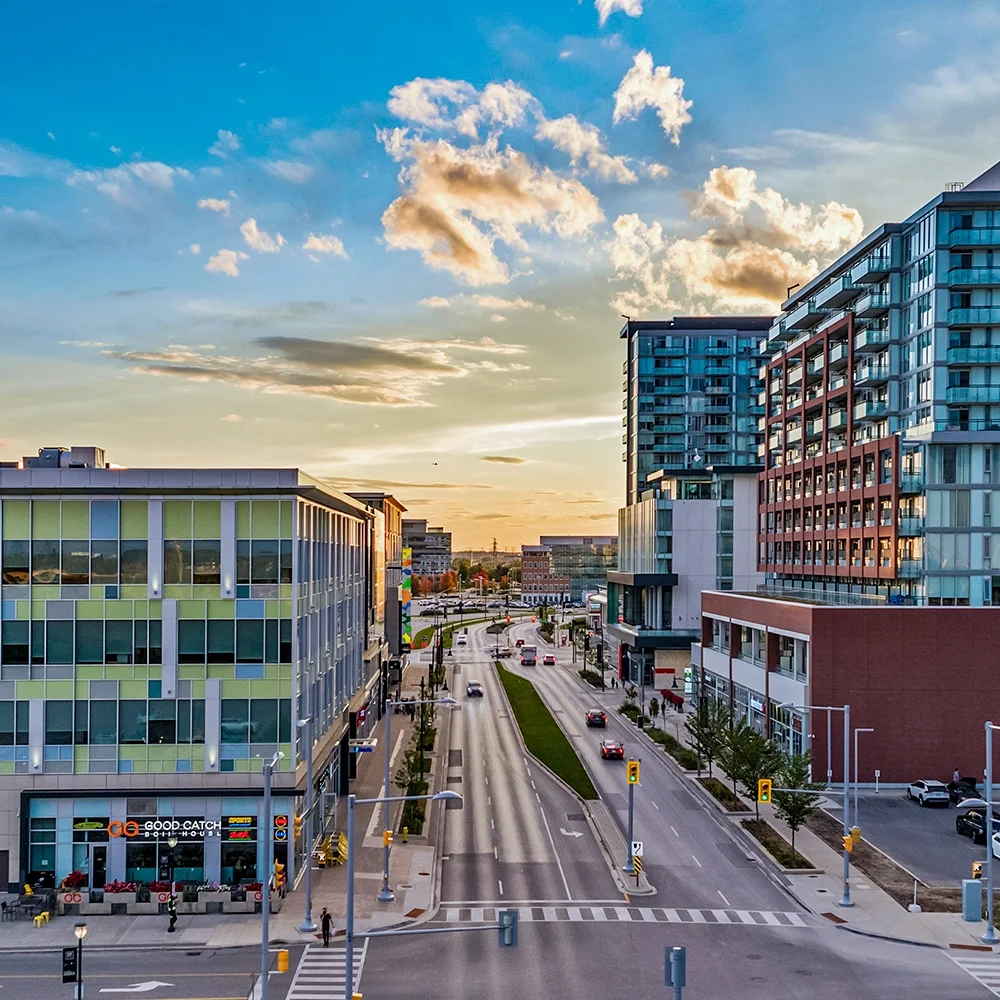
What happened in 2025: North of Toronto, the York Region suburbs – including Markham, Stouffville, and Richmond Hill – went through a notable market correction in 2025. These areas were red-hot during the pandemic (with many families rushing to suburbia), but higher borrowing costs hit the suburban markets particularly hard. 2025 saw sales activity plunge across York Region. In some months, home sales were down 30–40% from the 10-year average as buyers in the 905 stayed on the sidelines. The slowdown was across the board: fewer move-up buyers coming from the city, fewer investors snapping up suburban properties, and first-time buyers struggling with the stress test at higher rates.
Ralph Ciancio is a veteran real estate broker in the Northeast GTA (Markham, Stouffville, and Richmond Hill) with an academic background in economics and over 1,000 career transactions. He observes that the 2025 market in his area slowed dramatically compared to recent years. "Selling takes way longer to find a decisive buyer," Ciancio notes, explaining that move-up buyers have virtually vanished. "Without a buyer [for their current home], they cannot upsize and thus the whole market is stunned." As a result, inventory levels have climbed sharply – roughly 7 months of supply now, versus the 2.5 to 3.5 months that was typical over the past 5–7 years. In Stouffville, for example, active listings swelled to around 160–180 homes, compared to about 130 in a normal market (and only ~40 during the hottest times).
Prices in Markham/Stouffville/Richmond Hill softened moderately, but again, not a crash – more of a controlled deflation. By October, the market showed signs of finding a floor: “balanced market” conditions emerged, with slower sales and rising inventory roughly offsetting each other, leading to only slight price declines overall. In Markham, for example, the average home price in fall 2025 hovered around the mid $1.2 millions, down a few percentage points year-over-year. Interestingly, there were even months where prices ticked up marginally – e.g. Markham’s average price rose ~4.5% in October from the previous month shared Markham Realtor, Evan Tong – suggesting some resilience. Realtor Ralph Ciancio notes that by late 2025 the market felt “in equilibrium”, with buyers and sellers in a cautious dance rather than one side firmly in control.

That said, the composition of sales changed. The high-end luxury market ($2M+ in these suburbs) virtually froze. There were very few takers for luxury homes in Stouffville’s estate subdivisions or Richmond Hill’s mansions unless prices were cut significantly. Many of those listings just didn’t move; sellers either rented out the property or delisted, waiting for better days. At the more affordable end, townhouses and smaller detached homes (which are the bread and butter for many young families in Markham) saw better movement. But even those often required pricing below 2022 levels to attract offers.
A major factor here was new construction. York Region had a lot of development in recent years – from new low-rise subdivisions in Stouffville to high-rise condos along Hwy 7. When the market slowed, this new inventory created extra pressure. Developers of new houses on the fringes offered incentives, and some new condo projects struggled to sell remaining units. For the resale market, that meant more competition and limited urgency among buyers (why rush to buy a 5-year-old Markham townhouse when a brand-new one down the road is offering a discount and freebies?).
Ciancio highlights assignment sales from the 2020–2023 pre-construction boom as a source of potential bargains. Investors who bought pre-sale condos in downtown Markham a few years ago are now facing closing or higher carrying costs, and some are ready to offload at a loss. "I've seen sellers in downtown Markham dropping prices by about $100K – for example, cutting a condo that was $750,000 down to $650,000," he shares. For ready buyers, these steeply discounted assignment deals could be a golden opportunity to acquire a nearly-new property below its original price.
Another trend Ciancio has observed is what he calls a “beauty pageant price war” in upscale markets like Markham and Richmond Hill. Essentially, only the best-looking, fully turnkey homes are selling quickly – and conversely, the real fixer-uppers at rock-bottom prices are also in demand. "Either be super nice and fairly priced, or ugly and at a big discount – nothing in the middle [is selling]," he says. Average-condition homes that are merely “okay” are struggling to attract offers; buyers either want a showpiece home or a bargain project, with little appetite for mid-tier offerings.
Facing this tougher market, sellers have even resorted to tactics rarely seen in residential real estate. Ciancio recounts that vendor take-back (VTB) mortgages are popping up as a tool to get deals done. "One seller offered a $100,000 VTB due to an appraisal shortfall on a $1.4 million deal," he says incredulously. "That's unheard of in residential real estate!" It underscores the lengths some sellers will go to bridge financing gaps and complete a sale in 2025’s market.
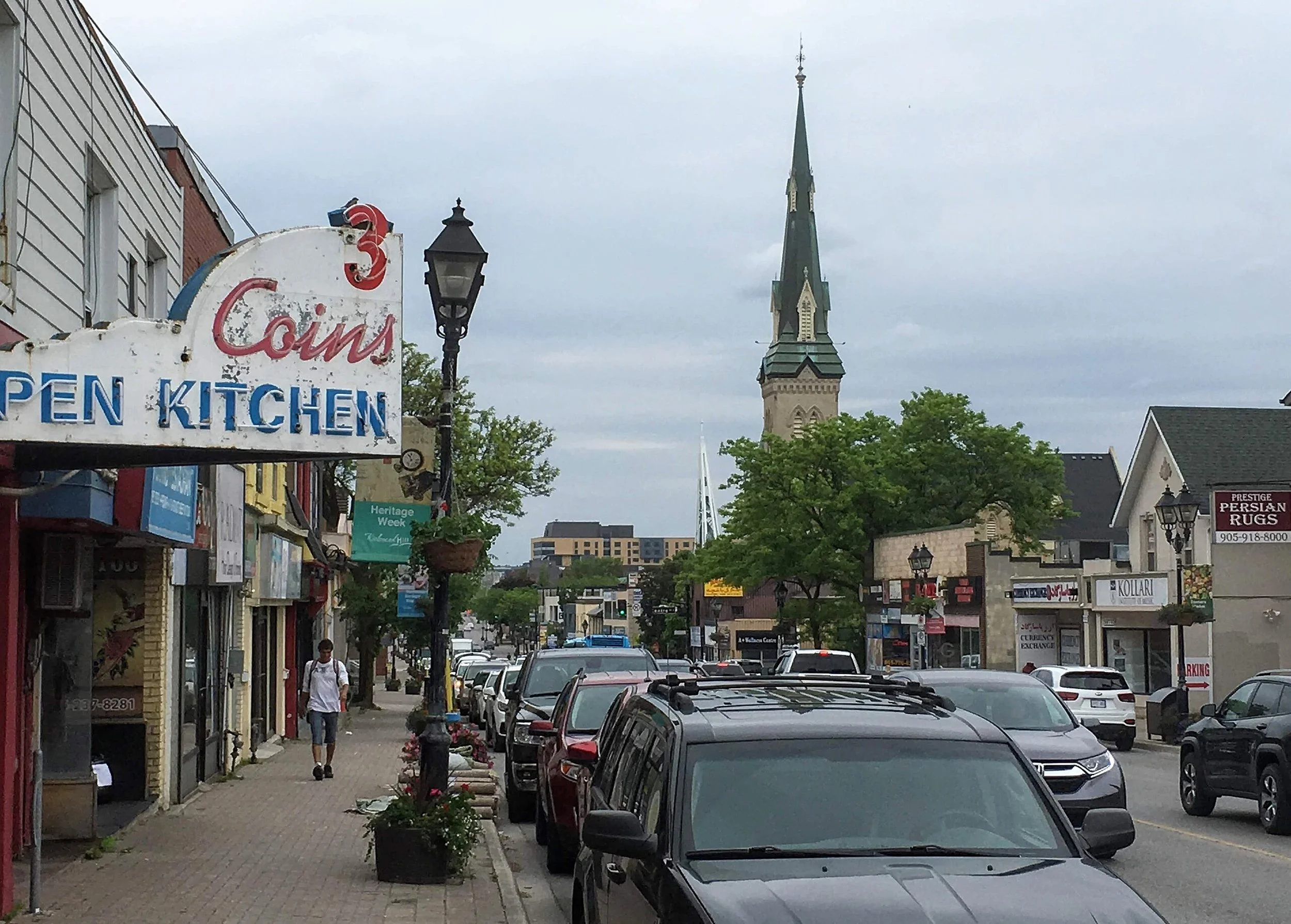
One interesting dynamic in Markham and Richmond Hill was the influence of immigration and demographic trends. These areas historically attract many newcomers to Canada, especially from East and South Asia. In 2025, with a dip in new international students and temporary residents, demand for renting basement suites or buying entry condos in these areas dipped a bit. However, permanent immigration remained strong – a number of new Canadian families continued to settle in York Region, often pooling resources for a down payment on a house. This helped put a floor under the market: as soon as prices fell to a certain point, end-users stepped in. For instance, if a 4-bedroom Markham detached that was $1.5M at peak fell to $1.3M, families who had been renting often saw that as their chance to buy (especially if they were securing permanent status or had saved up). So while prices did correct, there was demand waiting in the wings at the right price.
Even the perceived quality of local schools has become a factor affecting housing demand. In education-focused communities like Markham, families pay close attention to standardized test scores. Recent EQAO results (Ontario’s province-wide exams) showed that only about half of Grade 6 students met the provincial standard in math. "Only 52% of Grade 6 students passed the math curriculum," Ciancio points out, calling the low scores alarming. "The Minister of Education needs to reform standardized testing." He notes that many of the buyers who value top school performance may think twice if neighborhood school ratings slip. In other words, softer education outcomes could be dampening some of the family-buyer demand that typically bolsters these markets.
2026 Outlook for Markham/Stouffville/RH:
Ciancio believes the best-positioned properties will hold value and even be in demand. One segment he’s bullish on is multi-generational living arrangements. With affordability at a premium, homes that can accommodate extended families or generate rental income will shine. "Forty years ago, one income could afford a home," he remarks. "Three incomes will now be needed to afford a home – so if two incomes are needed just to maintain a condo... why would anyone buy a condo?" In other words, many buyers are seeking solutions like co-ownership or secondary suites to make the numbers work. For detached houses in Markham, Ciancio quips that "three incomes are the new two incomes." "Even families with two incomes can barely sustain a home now," he adds. This reality is driving more families to consider pooling resources or having multiple generations under one roof in order to achieve home ownership.
Policy changes are reinforcing this trend. Ontario’s More Homes Built Faster Act (2022) now permits up to three residential units on a traditional single-family lot as-of-right. This essentially eliminates single-family-only zoning, allowing homeowners to create duplexes or triplexes without special approvals. "Three residences on one property is now a right," notes Ciancio. He expects this to accelerate the creation of in-law suites, basement apartments, and garden houses. For resale, a home already set up for multi-generational living – say with a separate suite for parents or an income-generating unit – could command a premium in 2026 and beyond, given how important that flexibility has become.
External events could shorten or skew the usual seasonal real estate cycle. One tongue-in-cheek “hot take” from Ciancio: the Toronto Blue Jays’ World Series run in Oct/Nov 2025 distracted so many people that it “didn’t help home sales in Q4 2025!” (Indeed, the Blue Jays went all the way to Game 7 of the World Series in 2025 which I spontaneously attended), capturing local attention during what is normally a slower fall market to begin with.)
In a similar vein, the Spring 2026 selling season might be truncated or dampened by the FIFA World Cup (hosted partly in North America). With tournament matches kicking off in June 2026, Ciancio expects the prime spring window for listings (usually February to May) to shift earlier and shorter – as many families and realtors will be glued to World Cup events by early summer. Sellers may aim to hit the market extra early (late winter) to beat the distraction, and buyers should be ready for possibly a front-loaded spring.
Overall, Ralph Ciancio’s perspective is that the Northeast GTA market is in a holding pattern, awaiting its next jolt of energy. Until interest rates or economic sentiment improve, patience is key. But buyers and sellers alike should stay informed and be ready. As Ciancio emphasizes, opportunities are emerging for those who do their homework: the deals are out there, but timing and strategy – plus a bit of creativity – will make all the difference in 2026.
Bottom line for York suburbs: These markets took a hard pause in 2025, but the long-term appeal (good schools, spacious homes, safe communities) remains. Once borrowing costs normalize, expect families to return. 2026 will likely start slow, but could finish strong if economic conditions brighten. For buyers with stable jobs, this is a prime time to get into a suburban home that was previously out of reach. And for sellers, if you’ve been waiting to list, the second half of 2026 might present a better environment – just be ready to meet the market (price competitively, stage well) because today’s buyers have options and they know it.
Looking Ahead: 2026 Outlook and Key Takeaways for Buyers

After a tumultuous 2025, the Toronto real estate market enters 2026 with a cautious sense of optimism. The consensus among many economists and realtors is that we are either at or very near the bottom of this market cycle. “It felt all summer like the market was frozen – just price reduction after price reduction,” one observer said of 2025. But by the fall, the bleeding had mostly stopped. Well-priced listings even started to move again, hinting that the worst may be over. Interest rates are the big wild card – if the Bank of Canada delivers a couple of rate cuts in 2026 (as inflation cools and the economy softens), it could be the catalyst for a rebound - however, as of the December 10 rate announcement, they are projected to stand still for 2026 given the strong employment and growing economy.
There’s also a growing sense of pent-up demand. Demographics didn’t pause during this slowdown: millennials are still aging into their homebuying years, immigrants are still arriving in large numbers (Canada’s population growth might slow from its record pace, but we’re still adding hundreds of thousands of people each year), and renters haven’t stopped wanting to become owners. What’s happened is a lot of these potential buyers delayed their plans in 2022–2025 due to high rates and high prices. But “eventually that demand comes into play”. People can only sit on the sidelines so long if they need housing. By late 2026, many will have adjusted their expectations and finances and will be ready to transact, especially if there’s clarity that prices aren’t falling further.
That said, 2026 is unlikely to be a return to the runaway boom times. It will probably be a year of transition: moving from a buyer’s market gradually toward balance, and in some segments maybe tilting to a seller’s market by late year. Price growth, if it resumes, will be measured – think single-digit percentage increases at best, not the 20-30% annual jumps of the pandemic era. Much depends on the broader economy. A mild recession is a possibility in 2026; if job losses mount, that could suppress housing a bit longer. Conversely, if Canada skirts a recession and inflation falls, the resulting rate cuts could supercharge buyer sentiment unexpectedly. So there are risks on both sides.
For smart homebuyers, the current environment offers a lot of lessons and opportunities. Here are a few key takeaways to consider:
Don’t Try to Time the Absolute Bottom: It’s tempting to wait for prices to fall just a little more. But as Tom Storey points out, by the time most people realize the bottom has passed, prices may have already ticked up and the best deals snatched up. If a home meets your needs and the numbers work, consider acting. The goal is to buy real estate well, not perfectly. As long as you have a long-term outlook, buying during a lull – even if prices dip 1-2% more after – will likely look like a great decision five years from now.
Leverage Your Negotiating Power: In 2025 and early 2026, buyers hold more cards. Use that power. Include protective conditions (financing, inspection) in your offers – something virtually impossible in 2021’s frenzy. Negotiate on price; many sellers will entertain offers below asking, especially if a property has been listed for a while. Ask for extras – appliances, fixtures, even closing cost credits – you might be surprised what a motivated seller will agree to in this climate.
Focus on Fundamentals: When markets shift, quality properties hold up better. Seek value – properties in good locations, with unique features or strong rental potential. As Storey advises, “if you buy the most generic home... the only way you can compete is price”, so look for those one-of-a-kind aspects (a great view, a top school district, future transit connectivity). Also, do your due diligence: in a cooler market you often have the luxury of a second visit, a home inspection, reviewing the condo status certificate, etc. Take advantage of that to ensure you know exactly what you’re buying.
Think Long Term & Bigger Picture: If you’re planning to live in the home 5+ years, short-term price fluctuations shouldn’t be a deal-breaker. In fact, some realtors advise upsizing now if you can. “Buy the house you can grow into vs. the house you can grow out of,” says Mark Arnstein, noting the high transaction costs if you buy too small and then have to move again in a couple years. In a soft market, you might be able to afford that extra bedroom or bigger lot. Secure it while it’s attainable, and let time and growth in value do the rest.
Stay Informed on Policy Changes: Keep an eye on government moves – immigration targets, foreign buyer rules (the ban extends through 2026), and any incentives for first-time buyers or new housing developments. These can shift market dynamics. For instance, if student visa issuance picks up again or new housing supply is curtailed, that could tighten the market faster than expected. Toronto’s mayor and Ontario’s government are also discussing policies on housing affordability and zoning that could impact supply in the coming years (e.g., multiplexes in neighborhoods, faster building approvals). An informed buyer is an empowered buyer.
In summary, Toronto’s 2025 market gave buyers something they haven’t had in a long time: breathing room. 2026 will likely continue to offer that breathing room, at least in the early months. It’s a year where preparation and patience can pay off. As the market transitions, those who do their homework and stay level-headed will be able to capitalize on opportunities while others are still sitting on the fence. Remember that real estate is cyclical – and after every downturn, the market eventually finds its footing. The window for buyers is open now; it may not remain open indefinitely if conditions improve.
For now, enjoy the more civilized pace of the market: you can go to an open house without battling a crowd, you might be the only offer on a property, and you can actually negotiate. These are healthy developments. Whether you’re eyeing a downtown condo or a suburban family home, 2025–2026 is about resetting expectations and making prudent moves. As we’ve gathered from our on-the-ground experts, the best approach is to stay informed, think long-term, and make your move when the time is right for you – not when the media hype tells you to. The Toronto market’s next chapter is beginning to unfold, and buyers now have a meaningful role in writing the script.
Happy home hunting and make sure to engage a realtor who lives and breathes your desired neighbourhood, property-type, and desired lifestyle you plan to level up into.
BOTTOM LINE
The Toronto market in 2025 didn’t break, it recalibrated. Higher rates cooled demand, investor activity pulled back, and prices adjusted to reflect real affordability, shifting leverage toward prepared buyers and putting fundamentals like location, financing, and long-term fit back at the center of decision-making. This is the moment to get educated rather than reactive: understand your financing, study your target neighborhoods, and run the numbers with a long-term lens, because the buyers who prepare now are the ones best positioned when confidence returns.
Level Up Mortgages is a mortgage broker team focused on helping the self employed, new immigrants, non-residents, and investors, access best rate and alternative lending in Canada. We have been nominated for best up and coming broker in Canada in 2021 and have been on CTV News and various publications because of our education-first approach to helping you always stay a step ahead of the process. Reach out to us for access to our first-time buyer course or a mortgage strategy session.
See What You Qualify For Or Contact Paul To Get Your Pre-Approval.
Paul Davidescu (www.levelupmortgages.com)
Level Up Mortgages
604-809-3188
paul(at)levelupmortgages.com
See Our Google Reviews in BC & Ontario: bit.ly/GoogleReviewLUM ⭐️⭐️⭐️⭐️⭐️