What Happens to Real Estate and Mortgages If the Dollar Weakens?
When Bigger Numbers Don’t Mean You’re Richer
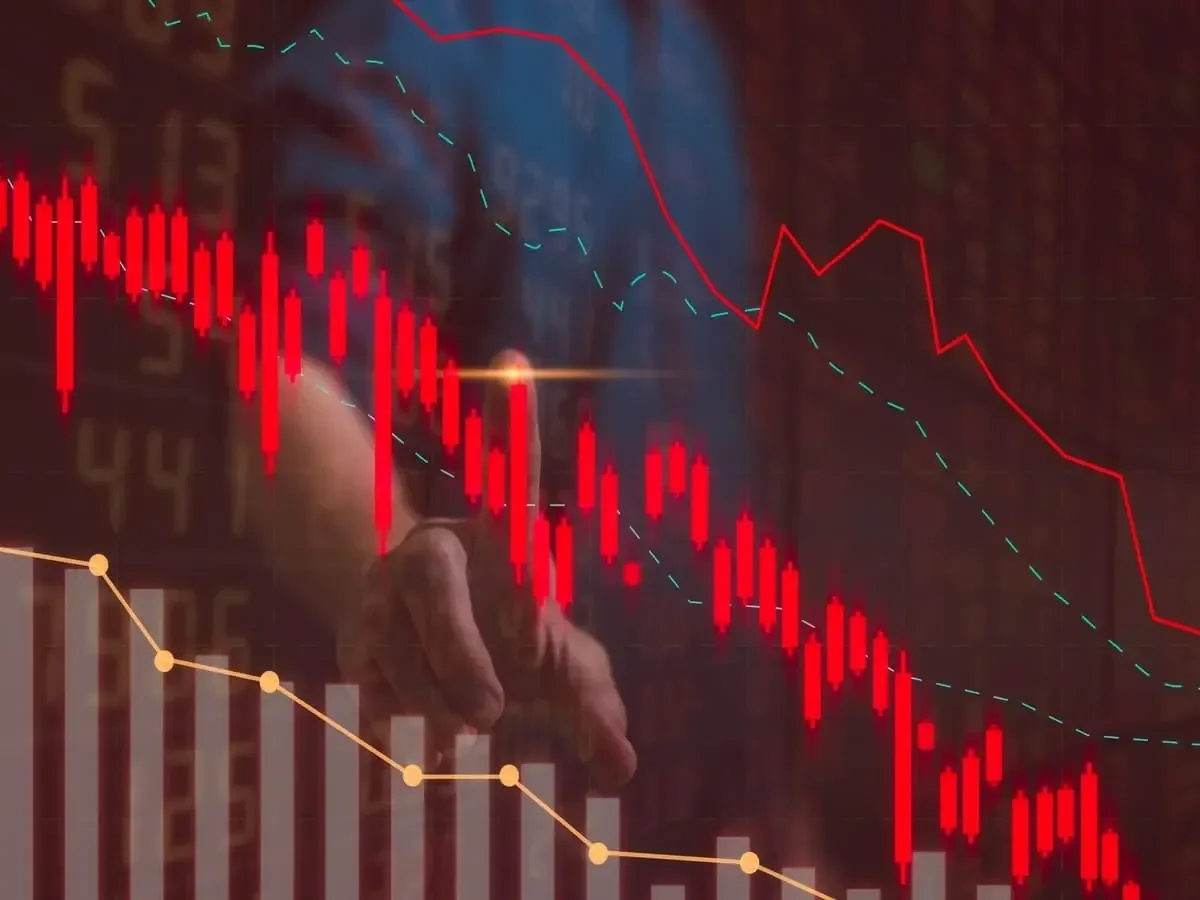
Imagine every stock you own suddenly doubles. Your net worth jumps. Headlines scream all-time highs. But at the same time, rent jumps 40%, groceries surge, and everyday costs feel unstable. Are you actually wealthier or are you just seeing bigger numbers in a currency that’s losing purchasing power?
The research walks through historical currency failures and shows something counterintuitive: when currencies collapse, stock markets often explode higher in local terms — yet investors don’t necessarily gain real wealth.
The issue isn’t just asset prices. It’s the measuring stick itself. When the currency weakens, everything priced in it starts to look distorted.
What History Actually Shows
Looking at cases like Weimar Germany, Venezuela, Argentina, and the Asian Financial Crisis, the pattern isn’t clean or simple.
In Germany during hyperinflation, stocks surged in nominal terms. But when adjusted for inflation, real stock values fell dramatically, roughly a 97% loss from pre-war levels at the bottom. Venezuela’s stock market posted eye-popping gains in local currency, yet once adjusted for inflation or converted into dollars, much of that “growth” disappeared.
In other cases, like parts of Asia in the late 1990s, both currencies and stock markets fell together when foreign debt burdens exploded.
The takeaway is clear: rising asset prices don’t automatically mean rising real wealth. If the currency is deteriorating underneath you, the gains may be more illusion than protection.

What This Means for Real Estate
Real estate behaves differently than stocks in some respects, but it is still priced in currency. If the currency weakens gradually, what the document describes as a “weak dollar” scenario, asset prices may rise in nominal terms over time, especially if inflation runs persistently higher.
In that kind of environment, homeowners with fixed-rate mortgages may quietly benefit. Their payment stays the same while wages and property values slowly rise. The real burden of debt declines because inflation reduces the purchasing power of what they owe.
But that doesn’t mean life feels easier. If inflation runs at 3–5% for years instead of 2%, lifestyle costs rise too, your home may be worth more on paper, yet your day-to-day purchasing power might feel flat.
In a more severe “broken” scenario, where trust erodes and interest rates rise to compensate for risk — the math changes. Higher yields and persistent inflation can compress asset valuations and create sideways real returns. Housing affordability could decline if mortgage rates climb, even if prices don’t crash outright.
And in an extreme hyperinflation scenario, the research shows that markets can go vertical in nominal terms while real value collapses. At that point, markets may not function normally. Trading halts, capital controls, or forced conversions become political realities rather than financial theory.
That’s not an investment cycle. That’s systemic instability.
The Overlooked Risk: Currency Concentration
One of the most powerful insights from the research is simple: if your income, home, savings, and investments are all denominated in one currency, then that currency’s fate becomes your fate.
For most North Americans, currency risk feels abstract. The dollar has been the global measuring stick for decades, still representing the majority of global reserves. But history reminds us that currency strength is built on trust, and trust can erode gradually before anyone labels it a crisis.
This doesn’t mean panic. It means perspective.
What This Means for Your Mortgage Strategy
If inflation rises moderately, fixed-rate debt often becomes advantageous over time because you’re repaying with “cheaper” dollars. Variable-rate borrowers, on the other hand, may face more volatility if central banks respond to inflation with higher policy rates.
But the deeper lesson from historical crises isn’t about making a clever trade. The research suggests that people who navigated instability best weren’t just those who owned the right asset — they had manageable debt, lower fixed expenses, flexible income, and strong networks
In other words, resilience matters more than prediction.
The Bottom Line
If a currency weakens, asset prices may rise.
But rising numbers don’t automatically mean rising purchasing power.
Real estate can act as a partial hedge in certain environments, particularly when paired with fixed debt. But it isn’t a magical escape hatch from systemic risk. It’s simply another asset priced in the same measuring stick.
The good news? Extreme hyperinflation scenarios in developed economies are widely considered unlikely in the near term due to institutional strength and the entrenched global role of the dollar
The smarter move isn’t fear. It’s informed positioning.
Level Up Mortgages is a mortgage broker team focused on helping the self employed, new immigrants, non-residents, and investors, access best rate and alternative lending in Canada. We have been nominated for best up and coming broker in Canada in 2021 and have been on CTV News and various publications because of our education-first approach to helping you always stay a step ahead of the process. Reach out to us for access to our first-time buyer course or a mortgage strategy session.
See What You Qualify For Or Contact Paul To Get Your Pre-Approval.
Paul Davidescu (www.levelupmortgages.com)
Level Up Mortgages
604-809-3188
paul@levelupmortgages.com
See Our Google Reviews in BC & Ontario: bit.ly/GoogleReviewLUM ⭐️⭐️⭐️⭐️⭐️